
Are Period Problems Just Hormonal or Something More Serious?
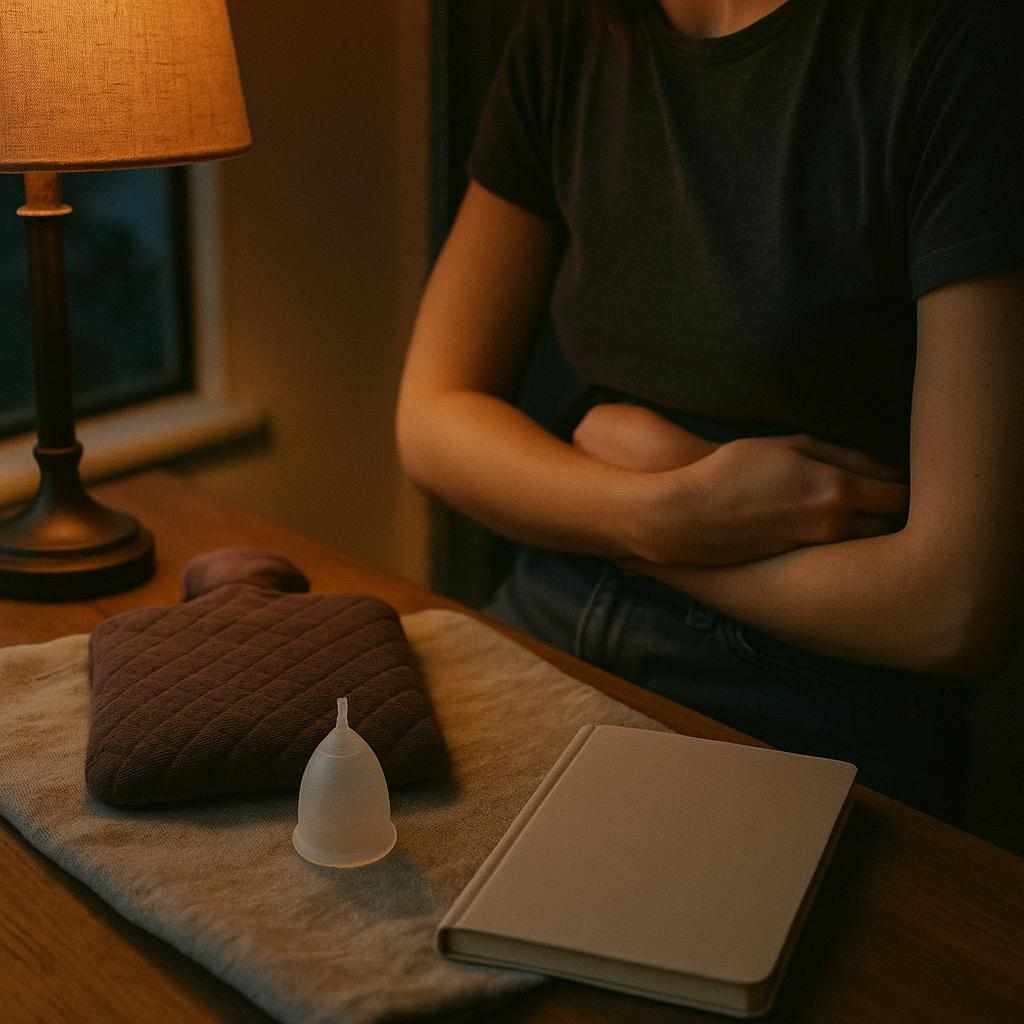
You might blame irregular periods on stress or hormones, but could it be more? Recent insights suggest some symptoms shouldn't be ignored.
How can you advocate for your menstrual health?
Being proactive about your menstrual health means listening to your body and seeking help when something feels off. Educating yourself about what's normal and what's not can empower you to have informed conversations with your healthcare provider. Understanding your body and its signals can help you articulate your concerns more clearly, making it easier for healthcare professionals to provide the care you need. For instance, if you notice your periods have become significantly heavier or more painful than usual, it's crucial to document these changes and discuss them with your doctor.
Don't hesitate to ask questions or request further testing if you're concerned about your symptoms. It's important to trust your instincts and advocate for yourself. If something feels wrong, it probably is. The importance of preventive health and menstrual well-being cannot be overstated. Regular check-ups and open communication with your healthcare provider are key components of effective health management. For example, if you experience severe cramps that don't improve with over-the-counter pain relief, this could be a sign of a condition like endometriosis that needs medical attention.
Remember, you're your own best advocate. By staying informed and attentive to changes in your cycle, you can take charge of your health and ensure that any issues are addressed promptly and effectively. This proactive approach can help you maintain a better quality of life and prevent minor issues from becoming major health concerns. Embrace the power of self-awareness and advocacy in your journey to optimal menstrual health. For instance, keeping a menstrual diary can be an invaluable tool in tracking symptoms and identifying patterns that could indicate underlying issues.
- Heavy bleeding that requires a pad or tampon change every hour.
- Periods lasting longer than seven days.
- Severe menstrual cramps or pelvic pain.
- Spotting between periods or after menopause.
- Significant changes in cycle length or flow intensity.
What underlying conditions could cause period problems?
While hormonal fluctuations are a common cause of menstrual irregularities, they are not the only potential culprits. Conditions like polycystic ovary syndrome (PCOS), endometriosis, and uterine fibroids can also manifest through abnormal periods. PCOS, for instance, is a hormonal disorder that affects many women and can cause irregular periods, excessive hair growth, and acne. It occurs when the ovaries produce an excess of male hormones, leading to disrupted menstrual cycles.
Endometriosis is another condition that can cause severe period pain and irregular bleeding. It occurs when tissue similar to the lining inside the uterus starts growing outside of it, often leading to intense discomfort and heavy periods. Women with endometriosis might experience pain during intercourse, bowel movements, or urination, especially during their periods. This condition often requires medical intervention to manage symptoms and improve quality of life.
Uterine fibroids, which are non-cancerous growths in the uterus, can also lead to heavy menstrual bleeding and prolonged periods. While they are quite common, especially in women in their 30s and 40s, they can cause significant discomfort and may require treatment if they lead to severe symptoms. If you suspect any of these conditions, it's crucial to consult with a healthcare provider for an accurate diagnosis and appropriate treatment plan.
How do lifestyle factors influence menstrual health?
Lifestyle factors can have a profound impact on menstrual health. Stress, diet, and exercise are all critical components that can either help regulate or disrupt your menstrual cycle. For example, high levels of stress can lead to hormonal imbalances, which may cause irregular periods. This is because stress triggers the release of cortisol, a hormone that can interfere with the reproductive hormones responsible for regulating your cycle.
Diet also plays a significant role in menstrual health. A balanced diet rich in fruits, vegetables, lean proteins, and whole grains can support hormonal balance and reduce symptoms like bloating and cramping. On the other hand, diets high in processed foods, sugar, and unhealthy fats can exacerbate menstrual symptoms and lead to irregular cycles. For instance, women with PCOS often find that managing their carbohydrate intake can help regulate their periods and improve overall health.
Exercise is another crucial factor. Regular physical activity can help maintain a healthy weight, reduce stress, and promote better sleep, all of which contribute to a more regular menstrual cycle. However, excessive exercise or extreme weight loss can lead to missed periods or amenorrhea, as the body may not have enough energy reserves to support a regular cycle. Striking a balance with moderate, enjoyable exercise can support not just menstrual health, but overall well-being.
When should you see a doctor about period problems?
Knowing when to seek medical advice for menstrual issues is key to preventing more serious health problems. If you experience significant changes in your menstrual cycle, such as unusually heavy bleeding, periods that last longer than seven days, or severe pain that disrupts your daily life, it's time to consult a healthcare provider. These symptoms might indicate underlying conditions that require medical intervention.
Spotting between periods or after menopause should not be ignored, as it could be a sign of hormonal imbalances or more serious conditions like uterine polyps or cancer. Similarly, if you notice significant changes in cycle length or flow intensity, it's important to seek medical advice. For example, a sudden shift from a regular cycle to erratic or absent periods could suggest issues such as thyroid disorders or PCOS.
It's also important to see a doctor if you're planning to become pregnant and have irregular periods, as this could indicate ovulatory issues that might affect fertility. A healthcare provider can offer guidance and treatment options to help regulate your cycle and improve your chances of conception. Remember, addressing menstrual concerns promptly can lead to better health outcomes and peace of mind.
What should you track to monitor menstrual health?
Keeping track of certain aspects of your menstrual cycle can provide valuable insights into your reproductive health. Maintaining a menstrual diary or using a period tracking app can help you monitor your symptoms and identify patterns over time. This information can be incredibly helpful when discussing your health with a healthcare provider and can lead to more accurate diagnoses and effective treatment plans.
Here are some key aspects to track:
Cycle length: Note the first day of your period each month to determine the length of your cycle. This can help identify irregularities or changes.
Flow intensity: Record whether your flow is light, moderate, or heavy. Sudden changes in flow can signal potential health issues.
Symptoms: Document any symptoms you experience, such as cramps, headaches, or mood swings. This can help in identifying patterns or triggers.
Spotting or bleeding: Keep track of any spotting between periods or bleeding after menopause, as this could indicate underlying problems.
Pain levels: Rate your pain on a scale to monitor its severity and identify any trends or changes.
By diligently tracking these aspects, you can gain a better understanding of your menstrual health and be more prepared to discuss any concerns with your healthcare provider. This proactive approach not only aids in early detection of potential issues but also empowers you to take control of your health.
- Cycle length
- Flow intensity
- Symptoms
- Spotting or bleeding
- Pain levels
This article is for informational purposes only and does not constitute medical advice. ElaZap is a wellness tracking tool, not a medical device. Consult a qualified healthcare provider for personal health concerns.