
How Art Can Change the Conversation About Menstrual Health
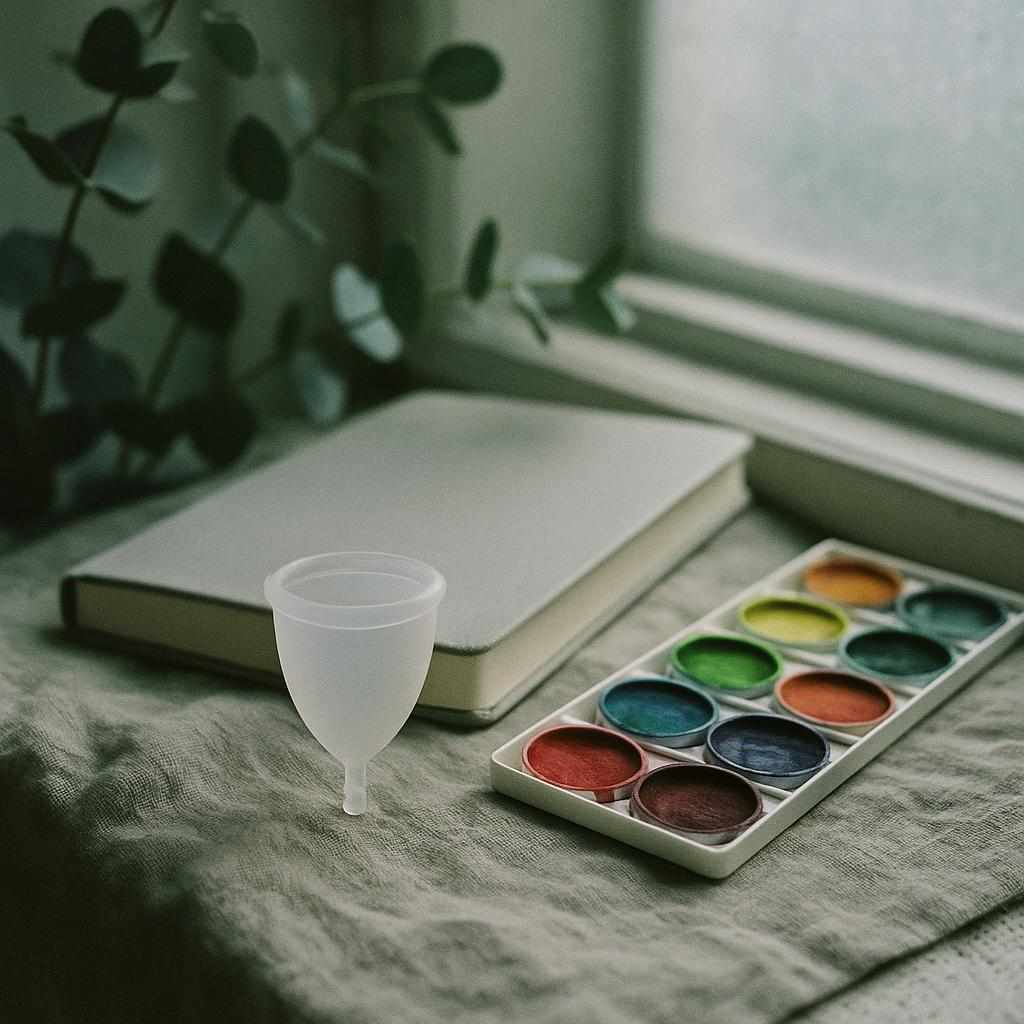
Art can be a powerful tool for challenging societal norms. When it comes to menstrual health, artists like Jiabao Li are pushing boundaries and sparking conversations that matter.
Ifyou're curious about menstrual health taboos
Jiabao Li's recent work is a striking example of how art can challenge societal taboos surrounding menstruation. By using materials like menstrual blood in her artwork, Li invites us to reconsider our perceptions and confront the discomfort that often accompanies discussions about menstruation. Her art serves as a visual dialogue, prompting viewers to question why menstruation is shrouded in secrecy and stigma. This can be a powerful starting point for anyone curious about the origins of these taboos.
Menstrual taboos are deeply rooted in cultural myths and misinformation, often perpetuated through generations. Understanding these origins is crucial for engaging in informed and meaningful conversations about menstrual health. For instance, many cultures historically viewed menstruation as a form of impurity, leading to practices that isolated menstruating individuals. Recognizing these misconceptions allows you to approach discussions with empathy and knowledge, especially when speaking with those who may hold different beliefs.
If you're interested in breaking down these barriers, consider how art can serve as a conversation starter. Art transcends language and cultural boundaries, making it an ideal medium for discussing topics often shrouded in silence. Engaging with art like Jiabao Li's can empower you to ask questions and seek answers about your own cycle, fostering a more open dialogue about menstrual health. By challenging the status quo, you can help shift the narrative from one of shame to one of acceptance and understanding.
Ifyou're looking to connect creativity with cycle tracking
Art and creativity can transform the mundane into the meaningful. If you're tracking your menstrual cycle, incorporating creative elements can make the process more engaging and insightful. Instead of viewing cycle tracking as a routine task, consider it an opportunity for self-expression and discovery. This shift in perspective can make the process feel less clinical and more personal, reflecting the unique rhythms of your life.
Using visual art, journaling, or even music can deepen your understanding of your body's rhythms. For example, creating a visual diary where you sketch or paint your emotions and physical sensations each day can reveal patterns you might otherwise overlook. This creative practice turns tracking into more than just data collection; it becomes a personal narrative that reflects your unique experiences. You might find that certain colors or shapes resonate with different phases of your cycle, adding layers of meaning to your tracking.
Jiabao Li's work serves as a reminder that creativity can challenge norms and inspire personal growth. By integrating artistic elements into your cycle tracking, you can transform a routine task into a meaningful practice. For a seamless experience, you might even track it on WhatsApp with Ela, combining technology with creativity to enhance your understanding of your menstrual health. This approach not only makes the process more enjoyable but also encourages a deeper connection with your body and its signals.
Ifyou're feeling isolated by menstrual stigma
Feeling isolated due to menstrual stigma is a common experience for many. Society often treats menstruation as a topic to be hidden or ignored, leading individuals to feel alone in their experiences. Artists like Jiabao Li challenge this notion by bringing menstruation into the public eye, using art to normalize and celebrate this natural process. Her work invites us to reframe our understanding of menstruation from something to be ashamed of to something to be embraced.
If you're feeling alone, know that art can provide a sense of community and belonging. Engaging with art that addresses menstruation can remind you that you're not alone in your experiences. It can also offer new perspectives on how to embrace your menstrual health with confidence and pride. Art becomes a medium through which shared experiences are validated and celebrated, creating a collective voice that speaks to the universal aspects of menstruation.
Consider connecting with online communities or local groups that focus on menstrual health and art. These spaces often foster a supportive environment where individuals can share their stories and appreciate the intersection of art and menstrual health. By participating in these communities, you can reduce feelings of isolation and find solidarity with others who understand and appreciate your journey. Engaging in discussions and sharing your experiences can be empowering, helping to dismantle the stigma that often surrounds menstruation.
Ifyou're interested in the science behind menstrual materials
Jiabao Li's use of menstrual blood in her art might spark your curiosity about the science behind menstrual materials. Menstrual blood, often misunderstood, is a natural and essential part of the body's cycle. Understanding its composition can demystify menstruation and empower you to engage with your menstrual health more confidently. This knowledge can transform how you perceive your cycle and encourage a more informed approach to your health.
Menstrual blood is not just blood; it is a complex mix that includes the uterine lining, cervical mucus, and vaginal secretions. This knowledge can help dispel myths and misconceptions, such as the false notion that menstrual blood is 'dirty' or 'impure.' Instead, it is a vital indicator of reproductive health, providing insights into hormonal balance and overall well-being. By understanding what menstrual blood truly represents, you can appreciate its role in your body's natural processes.
If you're interested in the science, consider exploring resources that explain the biological aspects of menstruation. This can enhance your appreciation for art that uses these materials and deepen your understanding of your own body. By learning about the science behind menstruation, you can engage in more informed discussions and appreciate the artistic expressions that challenge societal norms. This knowledge not only enriches your personal understanding but also equips you to educate others and contribute to broader conversations about menstrual health.
Across the board
you want to incorporate art into your menstrual health routine
Art can be a valuable addition to your menstrual health routine, offering a new way to engage with your cycle and challenge societal norms. By integrating art into your routine, you can transform how you perceive and interact with your menstrual health. This creative approach can make the experience more personal and reflective, allowing you to explore and express your unique relationship with your cycle.
Consider these ideas to bring art into your routine:
- Create a visual journal to track your cycle and emotions, using colors and sketches to represent different phases. This can help you visualize patterns and changes over time.
- Attend art exhibits that focus on women's health to gain new insights and inspiration. These exhibits can provide a platform for dialogue and education.
- Use color-coding in your tracking to represent different phases of your cycle, turning data into a visual masterpiece. This method can make tracking more intuitive and engaging.
- Explore art therapy as a means to express menstrual experiences and emotions creatively. Art therapy can be a powerful tool for processing feelings and gaining insights.
- Engage with online communities that combine art and menstrual health, sharing your creations and learning from others. These communities can offer support and inspiration, fostering a sense of connection.
This article is for informational purposes only and does not constitute medical advice. ElaZap is a wellness tracking tool, not a medical device. Consult a qualified healthcare provider for personal health concerns.