
Bridging the Knowledge Gap in Menstrual Health
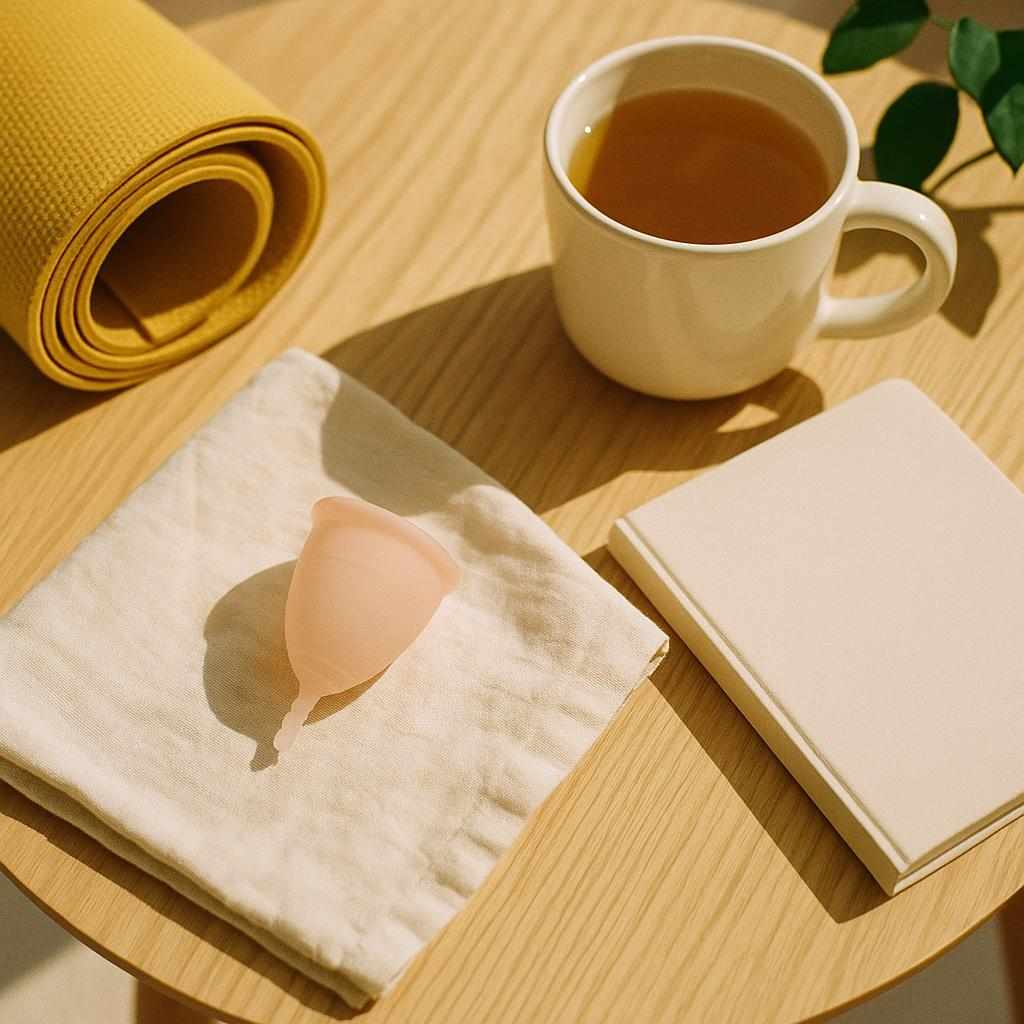
Have you ever felt like there are gaps in your menstrual health knowledge? You're not alone. A recent survey reveals many women share this experience.
Field note
A Surprising Discovery
Last week, my friend Sarah called me in a panic. She had just learned from a recent survey that many women, including herself, have significant gaps in their understanding of menstrual health. She felt embarrassed, wondering why something so integral to her life was still so mysterious.
Sarah isn’t alone. The survey, reported by streamlinefeed.co.ke, highlights that a large number of women are missing crucial information about their menstrual cycles. This isn’t just about forgetting to track a period or feeling uncertain about symptoms. It’s a broader issue where misinformation or lack of education can affect overall health. Sarah's realization was a wake-up call, prompting her to seek out more information and start conversations with friends about their own experiences.
Understanding the Gaps
The survey highlighted that many women lack basic knowledge about the menstrual cycle phases, hormonal changes, and what constitutes normal versus abnormal symptoms. This gap can lead to unnecessary anxiety or even neglect of health issues that need attention. It's not uncommon for women to feel blindsided by symptoms they didn't anticipate or understand, which can exacerbate feelings of vulnerability and confusion.
According to the Cleveland Clinic, understanding your cycle's phases, menstrual, follicular, ovulation, and luteal, can help you recognize patterns and changes. Each phase has distinct hormonal shifts that can affect mood, energy levels, and physical symptoms. For instance, the menstrual phase is when the uterine lining sheds, leading to bleeding. This is followed by the follicular phase, where the body prepares for ovulation, often resulting in increased energy and improved mood due to rising estrogen levels.
During ovulation, a mature egg is released, which can be accompanied by a slight increase in body temperature and changes in cervical mucus. The luteal phase follows, characterized by higher progesterone levels, which can lead to premenstrual syndrome (PMS) symptoms such as bloating, mood swings, and fatigue. Recognizing these patterns empowers women to anticipate and manage their symptoms better.
However, the survey reveals that many women are unaware of these details. This lack of awareness can lead to misunderstandings about what's normal, potentially delaying seeking help when something feels off. For example, some might not realize that severe pain during menstruation isn't typical and might indicate conditions like endometriosis.
The Impact of Misinformation
Misinformation about menstrual health isn't just an inconvenience. It can have real health implications. The Daily Aus raised concerns about whether women's health is regressing due to these knowledge gaps. Misunderstandings can perpetuate myths, such as the idea that periods should be intensely painful or that mood swings are an inevitable part of being female, rather than symptoms that can be managed or treated.
Mayo Clinic emphasizes that understanding menstrual health is crucial for identifying conditions like polycystic ovary syndrome (PCOS) or endometriosis, which can have significant impacts if left untreated. Symptoms like irregular periods or excessive pain shouldn't be ignored. Yet, without proper knowledge, many women dismiss these signs as normal, delaying diagnosis and treatment.
Furthermore, misinformation can lead to poor lifestyle choices. For instance, some women might avoid exercise during their period due to myths about it being harmful, missing out on the benefits that physical activity can provide in alleviating cramps and boosting mood. Similarly, misconceptions about diet can lead to poor nutritional choices that exacerbate symptoms rather than relieve them.
Education is key. By filling these gaps with accurate information, women can take control of their health, seek appropriate care, and make informed decisions about their bodies. This empowerment can lead to improved quality of life, as women learn to navigate their cycles with confidence rather than confusion.
Practical notes
Practical Steps to Enhance Your Knowledge
Want to bridge the gap in your menstrual health knowledge? Here are some practical steps you can take to become more informed and proactive about your menstrual health.
- Track your cycle regularly. Use apps or a simple calendar to note symptoms and patterns. This can help you identify any irregularities and better understand your body's natural rhythm.
- Educate yourself about the menstrual phases and hormonal changes. Understanding these can help you anticipate changes in your body and mood, making it easier to manage symptoms.
- Consult reputable sources like the WHO or ACOG for accurate information. Reliable resources can offer insights and debunk common myths about menstrual health.
- Discuss any concerns with your healthcare provider to get personalized advice. They can provide guidance tailored to your specific needs and health history.
- Join workshops or webinars focused on women's health to stay informed. These events can provide valuable information and connect you with others who share similar experiences.
- Share experiences and knowledge with friends to learn collectively. Open discussions can help de-stigmatize menstrual health and promote a supportive community.
When to get help
When to Seek Professional Help
Sometimes, self-education isn't enough. If you're experiencing symptoms that disrupt your life or don't seem normal, it's important to consult a healthcare provider. Persistent pain, extremely heavy bleeding, or irregular cycles need professional evaluation. Ignoring these symptoms can lead to more serious health issues down the line.
The ACOG advises that any changes or concerns about your menstrual health should be discussed with a gynecologist. They can provide the necessary screenings and tests to ensure everything is as it should be. A professional can offer diagnostic tests, such as ultrasounds or blood tests, to get to the root of persistent issues.
Remember, it's okay to seek help. You're not alone in this journey, and understanding your body is a powerful step towards better health. And if you're tracking your cycle, you can do it on WhatsApp with Ela, making it easier to share accurate information with your doctor. Seeking professional advice can provide peace of mind and ensure that you're not facing these challenges in isolation.
This article is for informational purposes only and does not constitute medical advice. ElaZap is a wellness tracking tool, not a medical device. Consult a qualified healthcare provider for personal health concerns.