
Compostable Sanitary Napkins: A Step Toward Sustainable Menstrual Care
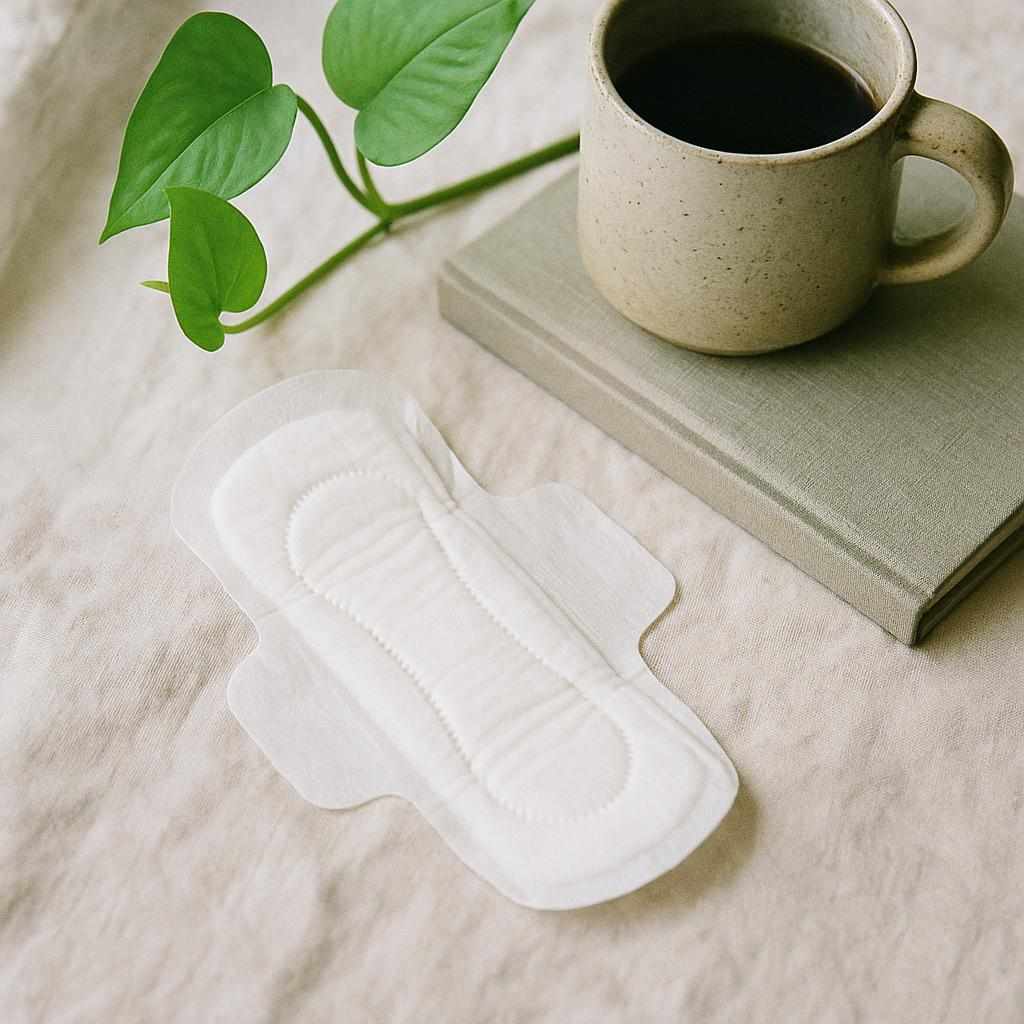
Imagine yourself in the personal care aisle, surrounded by a plethora of menstrual products. The variety is overwhelming: pads, tampons, menstrual cups, all promising comfort and protection. But what if your choice could also contribute to a healthier planet? Enter compostable sanitary napkins, an innovative solution introduced by companies like HLL to tackle the pressing issue of menstrual waste.
A New Era in Menstrual Products
Traditional sanitary pads are convenient, but they come with a hidden cost to the environment. Most are made with synthetic materials and plastics that can take hundreds of years to break down. In contrast, compostable sanitary napkins decompose much faster, significantly reducing their environmental footprint. This is a game-changer for those of us who are conscious of our ecological impact and want our personal care routines to reflect our values.
Switching to compostable pads isn't just a fleeting trend; it's a meaningful step toward sustainability. As awareness of environmental issues grows, more of us are seeking ways to align our daily habits with our commitment to the planet. Compostable pads offer a practical and impactful way to do just that, allowing us to care for our bodies while also caring for the Earth.
Why Compostability Matters
You might wonder why the compostability of your sanitary napkin should matter to you. The answer lies in the staggering amount of waste generated by menstrual products. Every year, billions of pads and tampons end up in landfills, contributing significantly to global waste. By opting for compostable pads, you're actively reducing the volume of waste and its long-term impact on the environment.
Traditional pads often contain plastics and chemicals that can leach into the soil and water, posing risks to ecosystems. Compostable pads, on the other hand, are crafted from natural, biodegradable materials designed to break down into non-toxic components. This means they not only reduce waste but also minimize potential harm to the environment.
Choosing compostable options is a small yet powerful way to support a healthier planet. Every pad you choose to compost instead of discard is a step toward a more sustainable future. It's a reminder that our individual choices, no matter how small, collectively contribute to significant environmental change.
Incorporating Compostable Pads into Your Routine
Making the switch to compostable pads is simpler than you might think. Start by exploring brands that offer these eco-friendly options, like those from HLL. These products are becoming increasingly available in major retail stores and online, making them accessible to many.
To incorporate compostable pads into your routine, begin by assessing how many pads you typically use during your menstrual cycle. This is where cycle tracking can be incredibly helpful. Apps or even a simple calendar can help you plan your purchases, ensuring you have enough compostable pads on hand when you need them.
Transitioning to compostable pads doesn’t have to be an all-or-nothing decision. You can start by using them on lighter days or overnight, gradually increasing their use as you become more comfortable. This gradual approach allows you to ease into the change without feeling overwhelmed, making it a sustainable shift for your lifestyle.
What to Expect When Switching
Trying a new menstrual product can feel intimidating, but understanding what to expect can make the transition smoother. Compostable pads are designed to offer the same absorbency and comfort as traditional pads, so you shouldn't notice a significant difference in performance.
However, you might observe a slight change in texture or thickness. This is because compostable pads are made from natural materials, which can feel different from the synthetic materials used in conventional pads. Consider this a small trade-off for the substantial environmental benefits they provide.
If you're unsure about which brand to choose, don't hesitate to try a few different ones. Every body is unique, and what works well for one person may not be the best fit for another. Experimenting with different options can help you find the product that meets your needs while aligning with your environmental values.
The Bigger Picture: Menstrual Health and Sustainability
The introduction of compostable pads is part of a broader movement toward sustainable menstrual health. Companies like HLL are recognizing the growing demand for eco-friendly options and are investing in innovative solutions to meet this need. This shift is not just about the products themselves but also about changing the conversation around menstrual health and sustainability.
By choosing compostable options, you are participating in a larger effort to create a period-friendly world that respects both personal health and the environment. This movement encourages us to think beyond individual convenience and consider the global impact of our choices.
Menstrual health is not just a personal issue; it is a global one, deeply intertwined with environmental health. Each decision you make, from the products you use to the way you dispose of them, contributes to a healthier planet. Embracing compostable pads is a meaningful way to support this important cause.
How to Dispose of Compostable Pads
Proper disposal is crucial to ensuring that your compostable pads break down as intended. Here are some practical tips to help you dispose of them correctly.
First, check if your local waste management facility accepts compostable products. Some areas have specific composting programs for sanitary products, which can be a convenient option if available.
If you have a home compost system, make sure it's equipped to handle compostable pads. These products may require specific conditions, such as certain temperatures, to decompose properly. Researching the requirements for composting sanitary products at home can help you set up an effective system.
Always remember to remove any plastic wrappers or non-compostable components from the pads before disposal. This step is essential to maintaining the integrity of your compost and ensuring that only biodegradable materials are included.
Lastly, follow any brand-specific disposal instructions provided by the manufacturer. These guidelines can offer valuable insights into the best practices for disposing of their specific product, maximizing its environmental benefits.
- Check local composting programs.
- Use a suitable home compost system.
- Remove non-compostable components.
- Follow brand-specific disposal instructions.
This article is for informational purposes only and does not constitute medical advice. ElaZap is a wellness tracking tool, not a medical device. Consult a qualified healthcare provider for personal health concerns.