
Debunking Myths: How Menstrual Health Supports Back-to-School Success
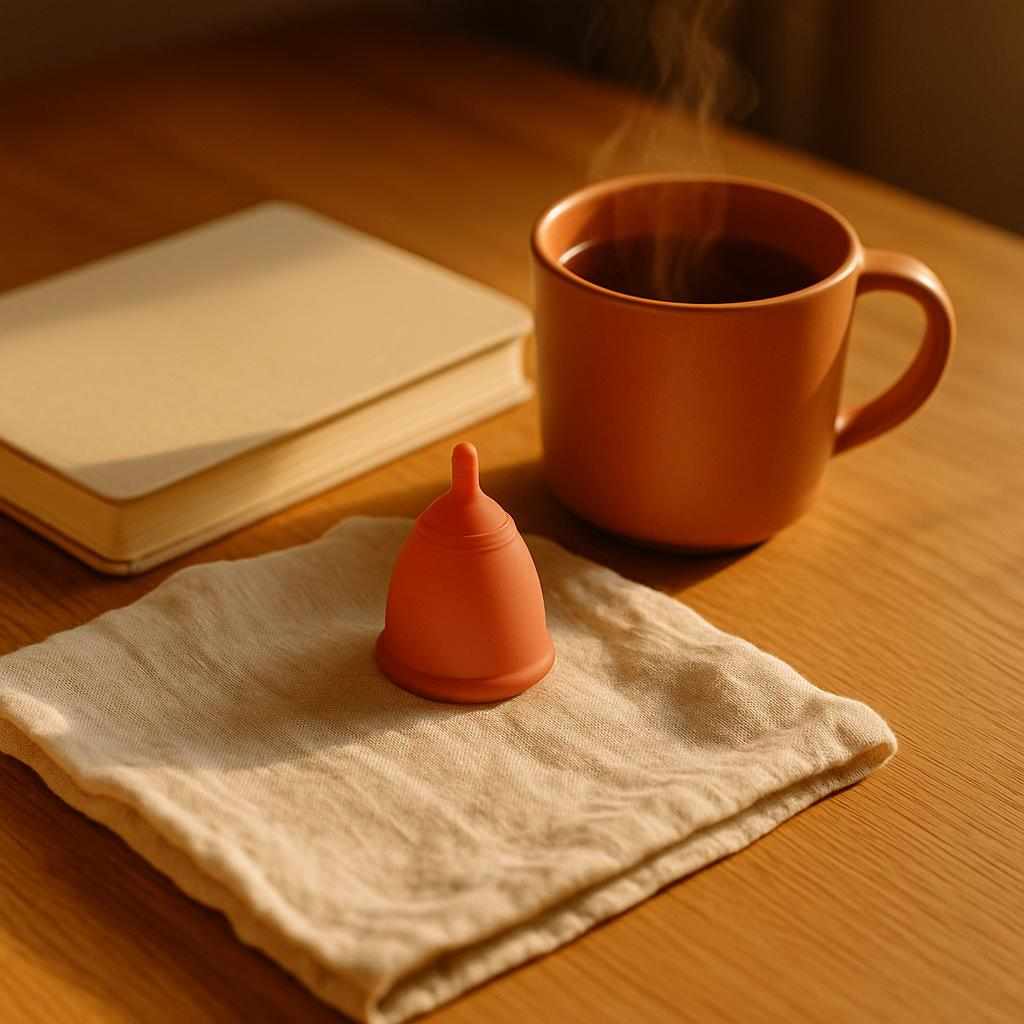
As schools reopen, the focus on menstrual health becomes more crucial than ever. Understanding the reality behind common myths can empower women to manage their cycles effectively.
Myth
Menstrual Health Isn't a Priority for Education
Many believe that menstrual health is a personal issue, separate from educational priorities. This misconception can lead to neglecting essential health needs that directly impact learning. The idea that menstruation is a private matter can result in schools overlooking the importance of providing adequate resources and support for students who menstruate. This perspective can make it easy for educational institutions to ignore the critical role that menstrual health plays in a student's ability to succeed academically.
Ignoring menstrual health in educational settings can result in absenteeism and decreased performance. When young women lack access to menstrual products or support, they may miss valuable learning opportunities. The stigma surrounding menstruation can also discourage students from seeking help, leading to a cycle of silence and discomfort that affects their academic journey. Students may end up feeling isolated and unsupported, which can further exacerbate the challenges they face in keeping up with their studies.
Truth
Menstrual Health Directly Affects Academic Success
The Guardian Nigeria News highlights Àlàáfíà's initiative to support menstrual health in schools, emphasizing the direct link between menstrual health and academic performance. This focus is crucial as menstrual discomfort and lack of resources can hinder a student's ability to focus and participate. When schools provide the necessary support, students are more likely to attend classes and engage actively in their learning environment, which can significantly improve their educational outcomes.
The World Health Organization emphasizes that comprehensive menstrual health education can reduce absenteeism and improve academic outcomes. Schools that address these needs foster a more inclusive and supportive environment, where students feel empowered to manage their health without shame or embarrassment. By normalizing conversations around menstrual health and providing resources, schools can help students feel more comfortable and confident during their periods, leading to better participation and performance.
Access to menstrual products and education about menstrual health can empower students, reducing stigma and promoting confidence. This holistic approach benefits not only individual students but the entire educational community. When young women are equipped with the knowledge and resources they need, they can pursue their education without the added burden of unmanaged menstrual health issues. This empowerment can lead to a more engaged and successful student body, as students feel supported both academically and personally.
Myth
All Menstrual Products Are Created Equal
It's common to assume that any menstrual product will suffice, but not all products suit every individual or situation. This myth can lead to discomfort or even health issues. Many people are unaware of the differences between products, which can result in choosing options that don't align with their needs or lifestyle. The lack of information and guidance can make it difficult for students to find the right product that offers the best protection and comfort for their unique needs.
Different products offer varying levels of absorbency, comfort, and environmental impact. Choosing the wrong product can result in leaks, irritation, or unnecessary waste. For instance, a student with a heavy flow may find that a regular pad or tampon isn't sufficient, leading to embarrassing situations at school. Similarly, someone with sensitive skin might experience irritation from certain materials used in some products. This mismatch can cause additional stress and anxiety, detracting from a student's ability to focus on their studies.
Truth
Understanding Options Enhances Comfort and Health
From pads and tampons to menstrual cups and period underwear, the options are vast. Each product has unique benefits and drawbacks, making it essential to find what works best for you. For example, menstrual cups can be a cost-effective and environmentally friendly choice for those comfortable with insertion, while period underwear offers a convenient, reusable option for light to medium flow days. Understanding these options allows students to choose products that fit their lifestyle and comfort level, enhancing their overall menstrual experience.
Mayo Clinic advises considering factors like flow, lifestyle, and personal comfort when selecting menstrual products. This personalized approach can prevent irritation and improve overall well-being. A student who participates in sports might prefer tampons or menstrual cups for their discretion and ease of movement, whereas someone who prioritizes sustainability might opt for reusable products. Having the right product can make a significant difference in how a student experiences their period, reducing stress and increasing their ability to focus on school.
Exploring different products and seeking advice from healthcare professionals can lead to better menstrual management. With tools like ElaZap, tracking your cycle and identifying your needs becomes more manageable. By understanding the array of available products, students can make informed choices that enhance their comfort and confidence throughout the school day. This knowledge empowers them to manage their menstrual health proactively, minimizing disruptions to their educational pursuits.
Myth
Menstrual Pain Is Just Part of Life
The belief that menstrual pain is unavoidable discourages many from seeking help. This myth can lead to unnecessary suffering and a lack of understanding about potential underlying conditions. Many individuals accept pain as a normal part of menstruation, not realizing that severe discomfort may be a sign of a medical issue that requires attention. This acceptance can prevent students from seeking the help they need to manage their symptoms effectively.
Painful periods, known as dysmenorrhea, can significantly impact daily life and should not be dismissed as normal without proper evaluation. Persistent pain can interfere with concentration and participation in school activities, making it crucial to address these symptoms rather than endure them silently. Students may feel that they have no choice but to suffer through the pain, which can affect their academic performance and overall well-being.
Truth
Effective Management Can Alleviate Menstrual Pain
Cleveland Clinic explains that while some discomfort during menstruation is common, severe pain may indicate conditions like endometriosis or fibroids. Identifying these issues early can lead to effective treatment, improving quality of life and academic performance. Students experiencing intense pain should be encouraged to seek medical evaluation to explore potential underlying causes. Addressing these health concerns can lead to better management strategies, reducing the impact of menstrual pain on daily activities.
Lifestyle changes, such as regular exercise, a balanced diet, and stress management, can also mitigate menstrual pain. Techniques like yoga and meditation may offer relief, helping to reduce tension and promote relaxation. These practices not only alleviate pain but also enhance overall well-being, making them valuable tools for students managing their menstrual health. Incorporating these strategies into their routine can help students manage pain more effectively, allowing them to focus on their studies.
Consulting with healthcare professionals for personalized advice and treatment options is crucial. Understanding your body and seeking appropriate care can transform your menstrual experience. By addressing pain proactively, students can focus more on their studies and less on discomfort, paving the way for a more successful educational journey.
Consider these steps: consult a healthcare provider for persistent pain, explore lifestyle changes to reduce discomfort, and consider various menstrual products for better comfort. These strategies can make a significant difference in how menstrual health is experienced and managed, ultimately supporting educational success.
This article is for informational purposes only and does not constitute medical advice. ElaZap is a wellness tracking tool, not a medical device. Consult a qualified healthcare provider for personal health concerns.