
How Hormones Impact ADHD in Women: Myths and Truths
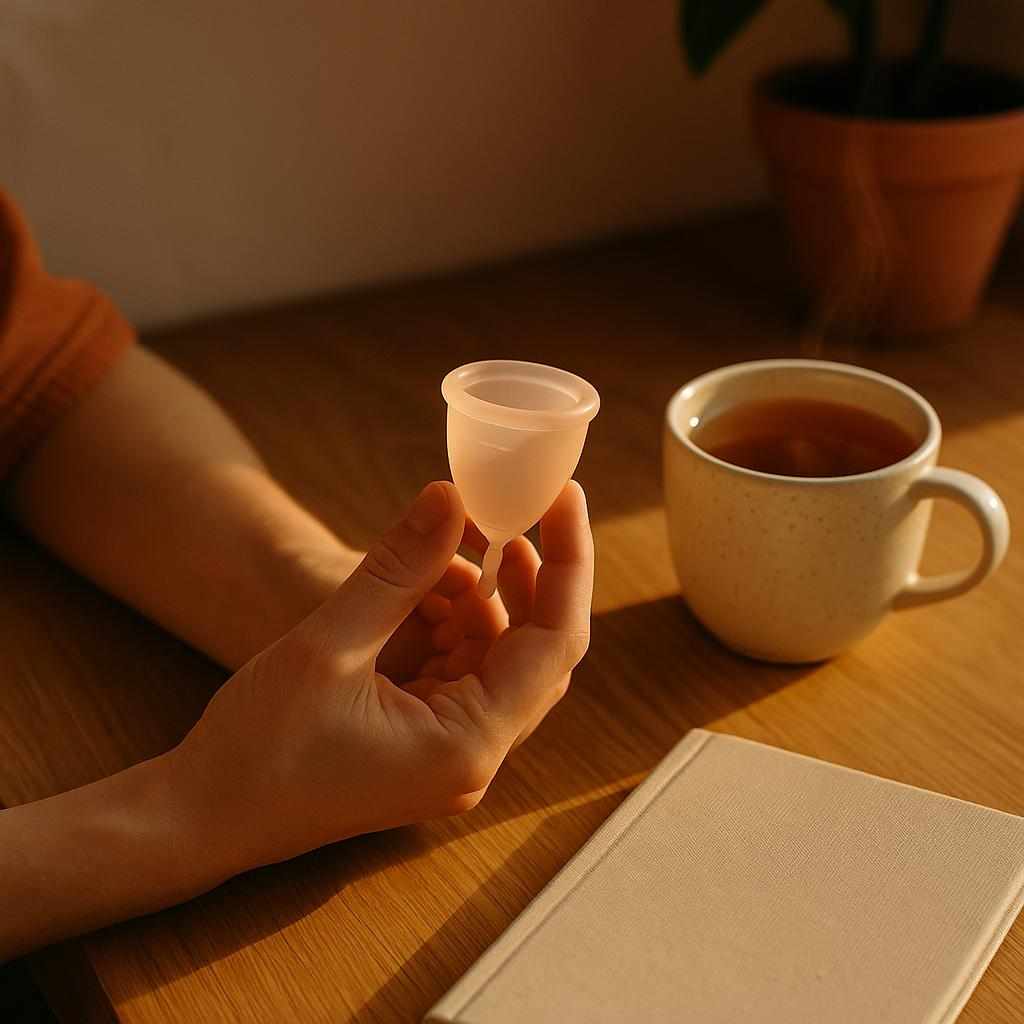
Ever noticed how your focus seems to ebb and flow with your menstrual cycle? For women with ADHD, this isn't just a coincidence. Hormones play a significant role in how ADHD manifests and is managed.
Myth
Hormones Have No Impact on ADHD Symptoms
Many believe that ADHD is purely a neurological condition, unaffected by hormonal changes. This myth suggests that symptoms remain constant regardless of menstrual cycles, pregnancy, or menopause. The idea that ADHD operates in isolation from the rest of a woman's bodily functions can lead to a simplistic view of the disorder.
In reality, hormones like estrogen and progesterone can significantly influence ADHD symptoms. These hormones fluctuate throughout a woman's life, affecting everything from mood to cognitive functions. Ignoring this connection can lead to misunderstanding and mismanaging the condition. Women may find themselves questioning their experiences or dismissing their symptoms as unrelated to ADHD, which can be frustrating and isolating.
For instance, during the menstrual cycle, estrogen levels rise and fall, impacting neurotransmitter activity in the brain. This can lead to variations in attention span and emotional stability. A woman might notice that during certain phases of her cycle, her ability to concentrate or manage stress changes, which can directly influence her daily functioning and overall quality of life.
Truth
Hormonal Fluctuations Affect Focus and Mood
Hormones can have a profound impact on ADHD symptoms. Estrogen levels, which fluctuate during the menstrual cycle, can affect neurotransmitters like dopamine and serotonin. These chemicals are crucial for attention and mood regulation, and their levels can be significantly influenced by hormonal changes.
Higher estrogen levels often correlate with enhanced concentration and mood stability, providing a window of opportunity for women to tackle tasks that require sustained focus. Conversely, lower levels might exacerbate ADHD symptoms, making focus and emotional regulation more challenging. This can lead to a cycle of feeling overwhelmed or misunderstood.
Tracking these fluctuations can be valuable. Knowing when you're likely to experience symptom changes can help in planning tasks or discussing medication adjustments with your healthcare provider. For instance, if you notice a pattern of symptoms worsening at a particular time in your cycle, you can preemptively adjust your schedule or seek additional support.
Moreover, understanding the correlation between hormonal changes and ADHD symptoms can foster a more compassionate self-view. Instead of feeling guilty or inadequate during times of decreased focus, recognizing the biological underpinnings can help women be kinder to themselves, reducing the stress and pressure they might otherwise feel.
Myth
Medication Works the Same Regardless of Hormonal Changes
It's easy to assume that once you find the right ADHD medication, it will work consistently. However, many women find that their medication's effectiveness can vary throughout their cycle. This assumption can lead to a false sense of security and may prevent women from seeking the adjustments they need.
This misconception can lead to frustration and the belief that the medication is inadequate, when in fact, hormonal changes might be the culprit. When medications don't seem to work as expected, some women might blame themselves or feel that their bodies are betraying them. This can affect their confidence in managing their ADHD effectively.
The variability in medication effectiveness can also create a sense of instability, as women may feel they cannot rely on their treatment to provide consistent support. This can result in a cycle of trial and error, where women are continually adjusting their routines and expectations to adapt to these fluctuations.
Truth
Medication Effectiveness Can Vary with Hormones
The influence of hormones on medication effectiveness is an area of growing research. Fluctuations in estrogen can alter how medications are metabolized, potentially affecting their efficacy. This means that the same dosage might not have the same effect at different times in a woman's cycle.
Some women may need to adjust dosages or even switch medications at different times in their cycle. This requires close communication with healthcare providers, who can offer guidance based on individual experiences. It's a collaborative process that recognizes the unique ways in which each woman's body responds to both hormones and medication.
Understanding this variability can empower women to advocate for themselves, ensuring their treatment plans are as effective as possible. By being proactive and informed, women can work with their healthcare providers to tailor their treatment plans to align with their hormonal cycles, rather than feeling at the mercy of unpredictable symptoms.
This approach encourages a more dynamic interaction with healthcare, where women are active participants in their treatment decisions. Such engagement can enhance the effectiveness of treatment and provide a greater sense of control over one's health journey.
Myth
All Women Experience ADHD Symptoms the Same Way
A common misconception is that ADHD symptoms manifest uniformly across all women. This myth fails to account for the diversity in hormonal cycles and individual health profiles. Such a generalized view can lead to a lack of personalized care and potentially ineffective treatment plans.
Such a one-size-fits-all approach can lead to misdiagnosis or inadequate treatment, as it overlooks personal variations in hormonal impacts. Women are diverse in their experiences, and their ADHD symptoms can reflect this diversity in myriad ways. This myth can create unrealistic expectations and pressures for women to fit a certain mold of what ADHD should look like.
In reality, each woman's experience with ADHD is shaped by a complex interplay of factors, including genetics, lifestyle, and hormonal changes. This means that effective management must be equally nuanced, taking into account the unique aspects of each individual's life and health.
Truth
ADHD Symptoms Are Unique to Each Woman
Every woman's experience with ADHD is unique, influenced by her hormonal cycle, lifestyle, and overall health. This individuality means that symptoms can vary widely in intensity and presentation. Some women may experience heightened impulsivity, while others may struggle more with inattentiveness or emotional regulation.
Understanding one's own hormonal cycle can provide insights into symptom patterns. This personal knowledge can be a powerful tool in managing ADHD effectively. For instance, keeping a symptom diary can help identify patterns and predict challenging days, making it easier to plan ahead.
Here are a few key points to consider:
Track your cycle and note any changes in symptoms. This can help you anticipate when you might need extra support or adjustments to your routine.
Collaborate with healthcare providers to tailor treatment plans that account for hormonal fluctuations. This can include adjusting medication dosages or exploring alternative therapies.
Stay informed about the latest research on hormones and ADHD. Knowledge is power, and staying updated can help you make informed decisions about your health and treatment options.
By embracing the uniqueness of their symptoms, women can develop more effective strategies for managing ADHD, enhancing their quality of life and reducing frustration. This personalized approach acknowledges the diverse experiences of women and promotes a more inclusive understanding of ADHD.
This article is for informational purposes only and does not constitute medical advice. ElaZap is a wellness tracking tool, not a medical device. Consult a qualified healthcare provider for personal health concerns.