
How Menstrual Health Tools Are Changing Women's Sports
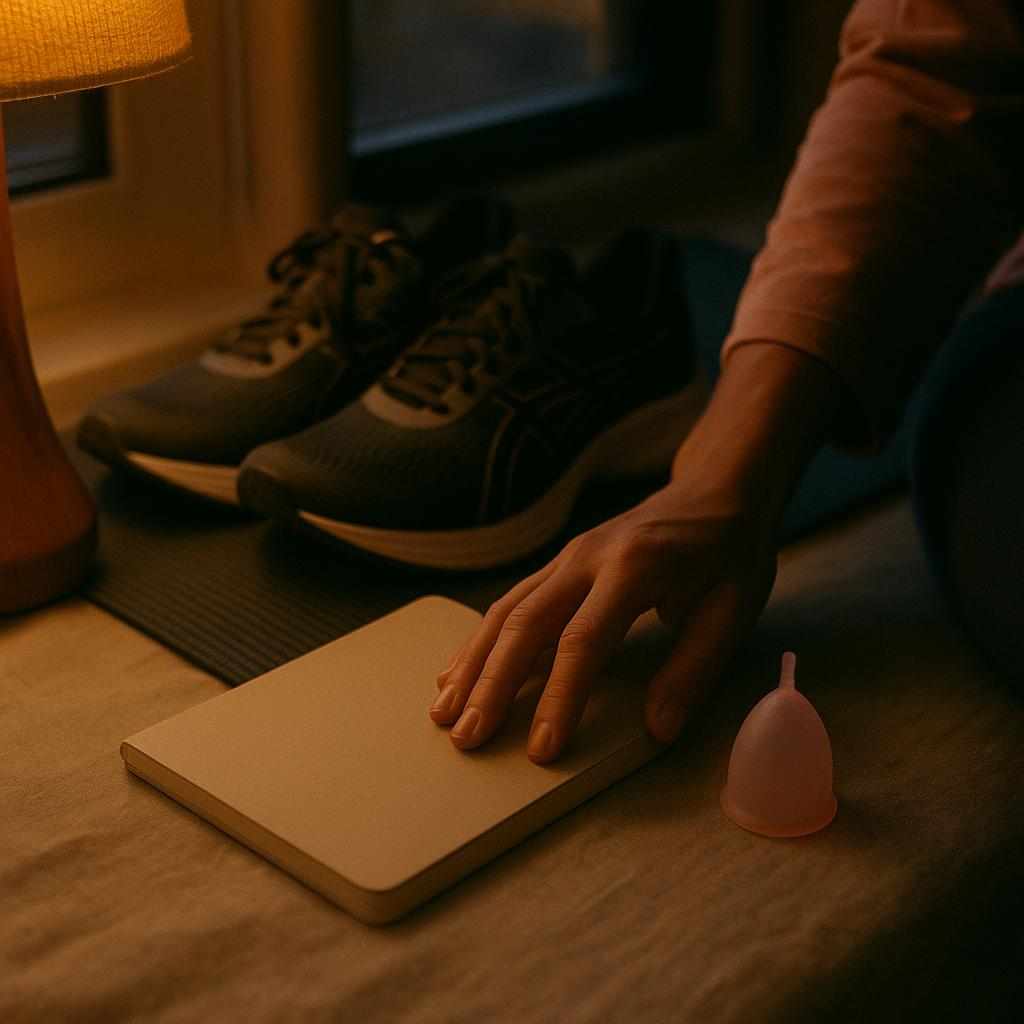
Imagine running your best race while understanding exactly how your cycle impacts your performance. With new menstrual health tools, women athletes can now fine-tune their training and competition strategies like never before.
Field note
A New Era for Women Athletes
Sarah, a competitive runner, always thought her cycle was just something to endure. She’d grit her teeth through cramps and fatigue, hoping for the best on race day. But then she heard about a new menstrual health tool that could help her track her cycle and optimize her training.
Curious and a little skeptical, Sarah decided to give it a try. She was surprised to find patterns she never noticed before. Her energy levels, endurance, and even her mood were all influenced by her cycle. This newfound awareness transformed her approach to training and competition, making her feel more in control and empowered.
Sarah's story is not unique. Across the globe, women athletes are discovering how these tools can serve as powerful allies in their sports journey. By aligning their training with their natural rhythms, they're not just competing; they're thriving.
Understanding the Science
The connection between menstrual cycles and athletic performance has long been a topic of interest. But until recently, it was largely anecdotal. Now, with advanced tracking tools, women can gather data that provides insights into how their bodies respond during different phases of their cycle.
These tools are proving to be invaluable for women in sports. They allow athletes to monitor hormonal fluctuations and adjust their training regimens accordingly. This means more personalized and effective training plans. For instance, during the follicular phase, when estrogen levels rise, athletes might find they have more energy and can push harder in their workouts.
Research suggests that hormonal changes can affect everything from muscle recovery to injury risk. By understanding these patterns, athletes can optimize their performance and reduce the likelihood of overtraining or injury. During the luteal phase, when progesterone is higher, athletes might need to focus more on recovery and hydration.
The Mayo Clinic notes that each phase of the menstrual cycle can influence physical and mental performance differently. Follicular and luteal phases, for example, can impact strength, endurance, and even coordination. Tracking these changes can help athletes make informed decisions about when to push hard and when to rest.
Furthermore, understanding these hormonal influences allows athletes to anticipate and manage symptoms that could affect their performance, such as bloating or irritability, ensuring they are mentally and physically prepared for competition.
Practical Applications in Sports
For athletes like Sarah, these tools are more than just trackers. They’re strategic allies. By logging symptoms and performance metrics, athletes can identify patterns that might otherwise go unnoticed. This data-driven approach allows them to fine-tune their training and competition strategies.
Tracking tools can help athletes understand how their cycle affects their hydration needs, nutritional requirements, and recovery times. This knowledge enables them to tailor their diet and hydration strategies to match their body’s needs. For example, during certain phases, an athlete might increase their intake of complex carbohydrates to sustain energy levels.
The American College of Obstetricians and Gynecologists (ACOG) explains that hormonal fluctuations can also affect mood and motivation. By recognizing these patterns, athletes can prepare mentally for the ups and downs, ensuring they’re psychologically ready for competition. This mental preparation can be as crucial as physical training, helping athletes maintain focus and confidence.
Moreover, coaches and sports scientists are increasingly using this data to design training programs that align with athletes' cycles. This holistic approach ensures that athletes are training smarter, not just harder. For instance, a coach might schedule lighter training sessions during the menstrual phase and more intense workouts during the follicular phase.
This integration of menstrual health tools into sports training is a game-changer, offering athletes a comprehensive understanding of their bodies and enabling them to reach new heights in their performance.
Practical notes
Tips for Tracking Your Cycle
If you're ready to start using a menstrual health tool to enhance your athletic performance, here are some practical tips to get you started.
- Choose a tool that allows detailed symptom tracking and integrates with your fitness apps. This will ensure that all your health data is centralized and easily accessible.
- Log your symptoms daily, including energy levels, mood changes, and physical performance. Consistent logging will help you identify patterns over time.
- Use the data to identify patterns and adjust your training schedule accordingly. For example, you might plan rest days when you notice a pattern of low energy.
- Communicate with your coach about your cycle and how it affects your training. Open communication can lead to more personalized training plans.
- Stay consistent with tracking to gather comprehensive data over multiple cycles. The more data you have, the more accurately you can tailor your training.
- Consider using ElaZap to track your cycle on WhatsApp, making it easy to log and review. Convenience is key to maintaining a consistent tracking habit.
When to get help
When to Seek Professional Advice
While menstrual health tools offer valuable insights, they’re not a substitute for professional medical advice. If you experience severe symptoms or irregular cycles, it’s important to consult a healthcare provider.
Conditions like endometriosis or polycystic ovary syndrome (PCOS) can significantly affect your cycle and performance. A healthcare professional can provide guidance tailored to your specific needs. They can help determine if additional medical treatment is necessary.
Always listen to your body. If something feels off, don’t hesitate to reach out for help. Your health and well-being should always come first. Seeking professional advice can provide peace of mind and ensure that you're on the right track with your health and performance.
Remember, while these tools are incredibly helpful, they are most effective when used in conjunction with professional medical advice. Balancing self-tracking with expert insights ensures a holistic approach to your health.
Ultimately, the goal is to empower you with knowledge about your body, while also ensuring you have the support you need from healthcare professionals to perform at your best.
This article is for informational purposes only and does not constitute medical advice. ElaZap is a wellness tracking tool, not a medical device. Consult a qualified healthcare provider for personal health concerns.