
Menstruation in Conflict Zones: The Hidden Struggle
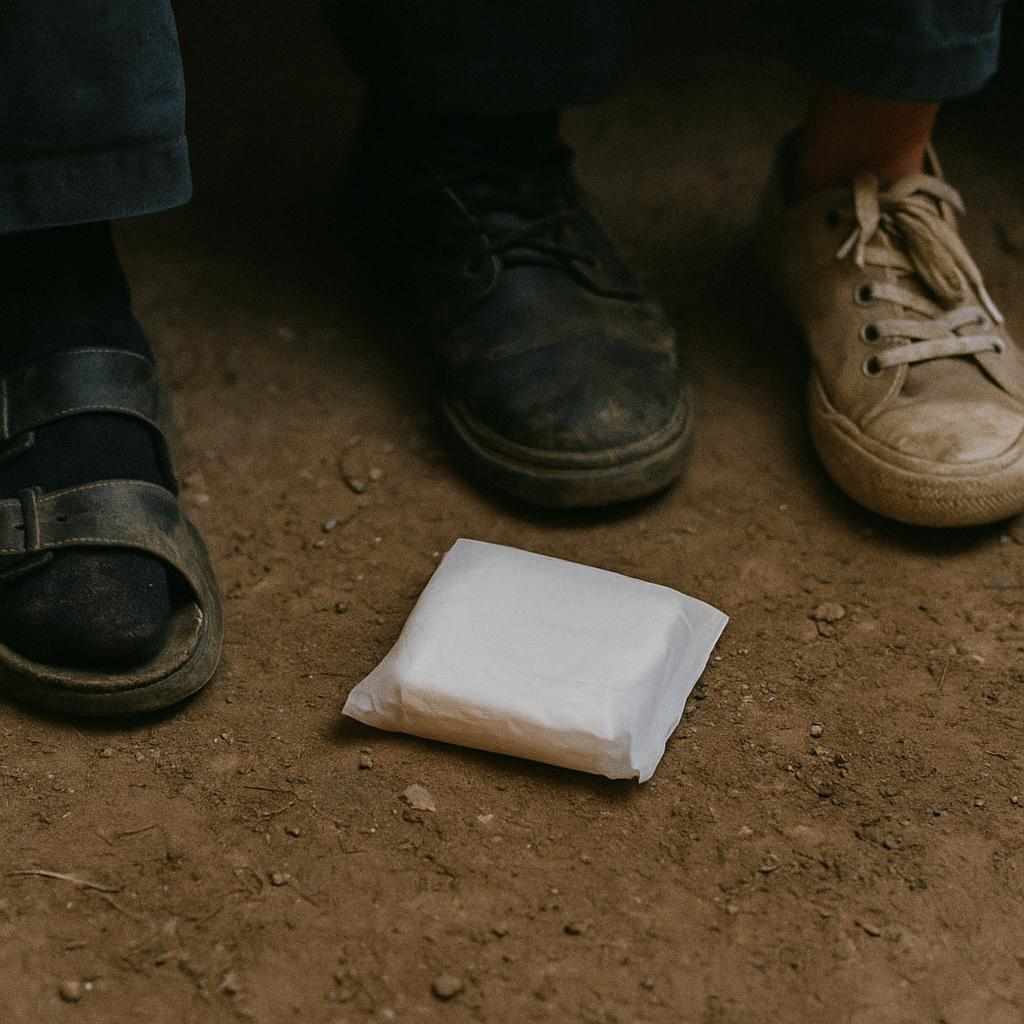
Imagine facing your period without the basic necessities. This is the reality for many women in conflict zones like Gaza.
Opening
A Day in Gaza: The Unseen Struggle
In the heart of Gaza, a young woman stands in line at a crowded distribution center. The air is thick with dust and tension. She clutches a small pack of sanitary pads, one of the few available in a place where supply chains are shattered. Around her, the noise of people jostling for essentials is overwhelming. This is not just a fight for goods. It's a fight for dignity. As she walks home, she knows the few pads she has must last her entire cycle. There's no guarantee of more next month.
This is a daily reality for many women in conflict zones. The struggle to manage menstruation without adequate resources adds another layer of difficulty to an already challenging life. The lack of privacy, sanitation, and supplies makes what should be a natural part of life a source of stress and shame. Each step home is a reminder of the makeshift solutions she must resort to, like using old cloths or rationing the pads she has. The constant worry about leakage or infections looms large, overshadowing her day-to-day activities. The fear of staining clothes in public or the humiliation of having to explain why she needs to leave a gathering early because of an unexpected period adds to her stress.
The Biology and Context Behind the Struggle
Menstruation is a natural biological process that requires proper hygiene and care. According to the World Health Organization, maintaining menstrual health is crucial for overall well-being. However, in conflict zones like Gaza, access to menstrual products is severely limited. The New Arab highlights how supply chain disruptions make it difficult to obtain even basic sanitary items. The scarcity of products is exacerbated by the economic instability that leaves many families unable to afford what little is available.
Without proper sanitary products, women are at risk of infections and other health issues. The lack of clean water and private facilities further complicates the situation. This isn't just about inconvenience. It's about health and dignity. The psychological impact of managing periods under such conditions can be profound, adding stress to an already difficult life. Women in these areas often face a heightened sense of vulnerability, feeling ashamed or embarrassed by circumstances beyond their control. The need for education on menstrual health becomes even more urgent, yet it remains a taboo subject in many communities. This stigma can prevent women from seeking the help they need, exacerbating both physical and mental health issues.
Why It Matters for Cycle Tracking
Tracking your menstrual cycle is more than just marking dates on a calendar. It's about understanding your body's patterns and rhythms. In conflict zones, where normal life is disrupted, this becomes even more critical. Women may notice changes in their cycle due to stress, poor nutrition, or lack of proper care. These changes can include irregular periods, more severe cramps, or changes in flow, all of which can be indicators of underlying health issues.
ElaZap can be a useful tool here. Even in challenging circumstances, tracking symptoms and cycle changes can provide valuable insights. It helps in anticipating periods and managing the limited resources available. Understanding these patterns can also alert women to potential health issues that may need attention. For instance, a sudden change in cycle regularity could signal nutritional deficiencies or stress-related hormonal imbalances. By keeping a record, women can seek medical advice when conditions allow, or adjust their self-care practices to better manage their health. Additionally, tracking can help women communicate more effectively with healthcare providers, ensuring that they receive the appropriate care and support when it becomes accessible.
Practical Tips for Managing Menstruation
By implementing these practices, women can gain a semblance of control over their menstrual health. In a setting where unpredictability is the norm, any step toward managing menstruation effectively can significantly reduce stress and improve quality of life.
In such challenging environments, resourcefulness becomes a crucial skill. Women are often forced to innovate with what little they have, turning household items into menstrual aids. This ingenuity is a testament to their resilience and adaptability, but it also highlights the dire need for better resources and support.
- Use cloth pads or reusable menstrual products when disposable ones are scarce. These can be made from old clothes and sanitized with boiling water.
- Prioritize hygiene by washing hands with clean water whenever possible. If water is limited, use hand sanitizers or wipes to maintain cleanliness.
- Track your cycle to anticipate when your period will start and plan resource use accordingly. This can help in rationing supplies effectively.
- Create a small, portable menstrual kit with essentials like pads, wipes, and a change of underwear. This kit can be a discreet way to manage menstruation on the go.
- Share resources and tips with other women in your community to support each other. Organize small groups to discuss menstrual health and share hygiene products.
- Seek out NGOs or local organizations that provide menstrual health education and supplies. They can be a valuable resource for information and support.
Reflecting on Your Next Cycle
As you track your next cycle, consider the impact of stress and environment on your body. Even in difficult times, understanding your menstrual health is empowering. Take note of any changes and seek support if needed. Remember, you're not alone in this journey. Many women face similar challenges, and sharing experiences can be a source of strength.
Think about how each cycle reflects the broader conditions of your life. Are there patterns emerging that correlate with your external environment? Use these insights to advocate for better resources and support systems. By understanding and documenting your cycle, you can become a voice for change, highlighting the needs of women in conflict zones to those who can make a difference. Advocacy begins with awareness, and by sharing your story, you contribute to a larger narrative that demands attention and action.
This article is for informational purposes only and does not constitute medical advice. ElaZap is a wellness tracking tool, not a medical device. Consult a qualified healthcare provider for personal health concerns.