
Why PCOS is Now PMOS: A Shift Towards Better Women's Health
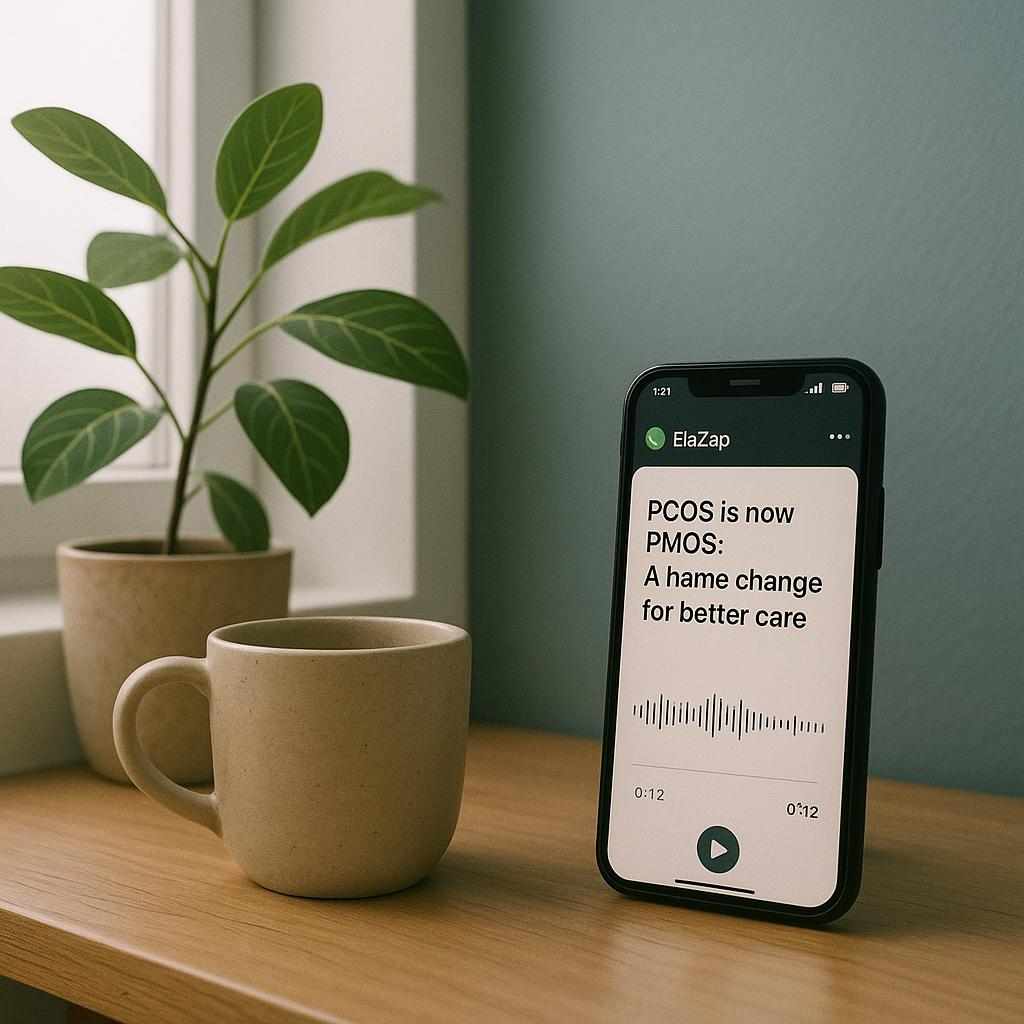
Polycystic Ovary Syndrome (PCOS) has been a term familiar to many women, often associated with a mix of relief and frustration. Relief, because a diagnosis can validate symptoms that women have been experiencing for years; frustration, because the name often narrows the focus to ovarian cysts, which are not present in all cases. Enter Polycystic Metabolic Ovary Syndrome (PMOS), a rebranding that reflects a broader understanding of the condition's complexities. This change isn't merely a linguistic update; it signifies a shift in focus towards the metabolic components of the syndrome, which include insulin resistance, weight fluctuations, and an increased risk of developing diabetes.
Why did PCOS change to PMOS?
The renaming to PMOS underscores a growing recognition among healthcare professionals that the condition extends beyond the presence of ovarian cysts. In fact, many women with PCOS do not have cysts on their ovaries at all. The metabolic implications are often what persist and cause the most significant impact over time. By highlighting the metabolic aspect in the name itself, the hope is to foster a more comprehensive approach to treatment that takes into account these critical factors, potentially leading to better management and outcomes for women affected by the syndrome.
The Varsitarian, a notable publication, has highlighted this change, pointing out its potential to revolutionize care and treatment strategies. By acknowledging the metabolic dimensions of the condition, healthcare providers are encouraged to offer more holistic care that goes beyond reproductive concerns. This change aims to ensure that both patients and healthcare providers pay closer attention to the metabolic factors, which can lead to more effective and personalized treatment plans.
How does this change affect my health care?
The transition from PCOS to PMOS is not just a change in name; it represents a potential paradigm shift in how care is delivered to women with this condition. Traditionally, treatment has often been centered around managing symptoms such as irregular periods or fertility issues. However, with the new emphasis on metabolic health, the approach may become more holistic, incorporating lifestyle interventions such as diet and exercise alongside medication.
This broader approach means that your healthcare team could expand to include not just a gynecologist, but also a nutritionist or endocrinologist. The goal is to address the full spectrum of symptoms and risks associated with PMOS, which could result in more personalized treatment plans that consider your unique metabolic profile. For example, if you experience weight fluctuations, your treatment might focus more on nutritional guidance and metabolic monitoring to ensure that all aspects of your health are being addressed.
Moreover, if you're already in the habit of tracking your menstrual cycle, this change underscores the importance of monitoring other health indicators as well. You might start noticing discussions around insulin levels or cholesterol in your appointments, highlighting the interconnected nature of your health. This comprehensive view can help in crafting a more effective treatment plan, ultimately improving your quality of life and reducing long-term health risks associated with PMOS.
What should I discuss with my doctor about PMOS?
When managing PMOS, open and proactive communication with your doctor is key to effective treatment. Start by discussing any noticeable changes in your symptoms. Have you experienced shifts in your weight, energy levels, or mood? These can all be part of the metabolic picture that PMOS encompasses, and sharing this information can help your doctor tailor your treatment plan more effectively.
It's also crucial to ask about the potential need for additional tests. Regular monitoring of blood sugar, insulin levels, and cholesterol might become part of your check-up routine. Understanding these numbers is vital as they provide insight into your metabolic health and can guide adjustments in your treatment. For instance, if your insulin levels are high, your doctor might suggest specific dietary changes or medications to help manage this aspect of PMOS.
Don't hesitate to inquire about lifestyle modifications that could benefit your health. Whether it's adjusting your diet, incorporating specific exercises, or exploring stress-reduction techniques, your doctor can offer guidance on managing PMOS more holistically. For example, if stress is a significant factor for you, your doctor might recommend mindfulness practices or yoga as part of your treatment plan. These conversations are essential in ensuring that you receive comprehensive care that addresses all facets of your health.
What should I track if I have PMOS?
Tracking various aspects of your health can be incredibly beneficial when managing PMOS. Using a tool like ElaZap can simplify this process, allowing you to track important health indicators on WhatsApp with Ela, making it easier to share insights with your doctor. Consistent tracking can illuminate patterns and provide valuable data for managing PMOS more effectively.
Here are some key things to track:
Menstrual cycle regularity: Note any changes in cycle length or flow. Irregularities can provide clues about hormonal imbalances and help your doctor adjust your treatment plan accordingly.
Weight fluctuations: Sudden changes in weight can indicate shifts in metabolic health. Tracking your weight can help identify patterns and triggers, allowing for more targeted interventions.
Blood sugar levels: If advised by your doctor, monitoring your glucose levels can catch any irregularities early, helping to prevent complications associated with insulin resistance.
Energy and mood: Track patterns in your energy levels and mood that might correlate with diet or activity levels. This can help identify lifestyle factors that may need adjustment.
Symptoms like acne or hair growth: These can reflect hormonal changes related to PMOS. Keeping a record of these symptoms can aid in evaluating the effectiveness of your treatment plan.
How can lifestyle changes help manage PMOS?
Lifestyle adjustments are a cornerstone of managing PMOS effectively and can significantly impact your overall health. A balanced diet rich in whole grains, lean proteins, and healthy fats can help regulate insulin levels and support metabolic health. For example, incorporating foods like quinoa, salmon, and avocados into your diet can provide essential nutrients that stabilize blood sugar levels. Consider consulting a nutritionist to tailor a plan that suits your specific needs and preferences.
Exercise is another vital component of managing PMOS. Regular physical activity not only aids in weight management but also improves insulin sensitivity, which is crucial for managing the metabolic aspects of PMOS. Find an activity you enjoy, whether it’s yoga, swimming, or brisk walking, and make it a part of your routine. For instance, a 30-minute walk daily can make a significant difference in your metabolic health and overall well-being.
Stress management is equally important in managing PMOS. Practices like meditation, deep breathing exercises, or even a simple evening walk can reduce stress levels, which in turn can positively impact your hormonal balance. For example, setting aside 10 minutes each day for mindfulness meditation can help lower stress hormones and improve your mood. Small, consistent changes in your lifestyle can lead to significant improvements in managing PMOS, enhancing your quality of life and reducing long-term health risks.
This article is for informational purposes only and does not constitute medical advice. ElaZap is a wellness tracking tool, not a medical device. Consult a qualified healthcare provider for personal health concerns.