
Can Red Light Therapy Really Help with Wrinkles and Acne?
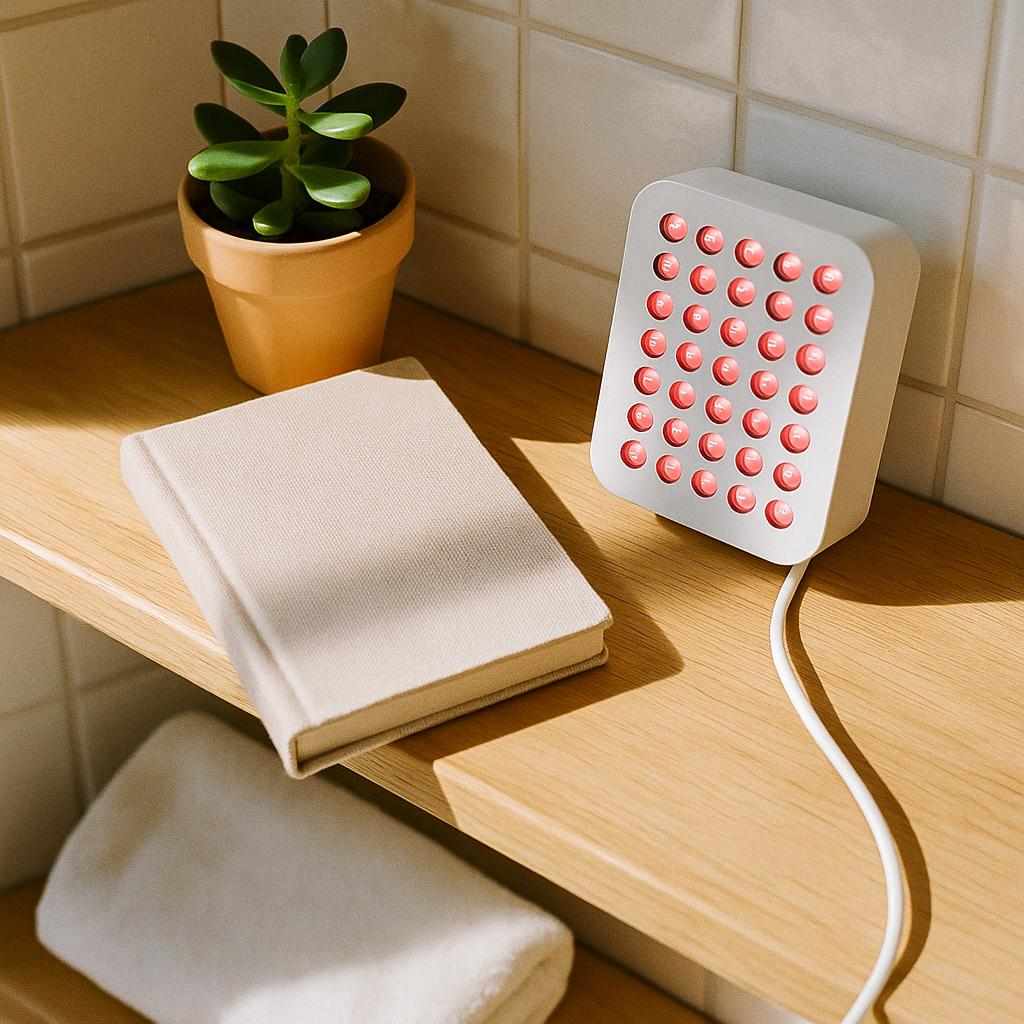
You've tried every cream and serum, but stubborn wrinkles and acne persist. Could red light therapy be the solution you've been searching for?
What is red light therapy and how does it work?
Red light therapy, often referred to as low-level laser therapy, uses specific wavelengths of light to penetrate the skin. This non-invasive treatment aims to improve skin health by stimulating cellular activity. The idea is simple, light energy boosts the production of collagen and elastin, which are crucial for maintaining youthful and resilient skin.
The therapy is usually administered through devices that emit red or near-infrared light. These devices are designed to be used at home or in clinical settings. The light penetrates the skin to a certain depth, encouraging the cells to repair and rejuvenate. This can lead to reduced inflammation, improved circulation, and enhanced healing processes.
While the science is promising, it's essential to manage expectations. Not everyone will see the same results, and it often requires consistent use over time. As with any skin treatment, individual responses can vary based on skin type, age, and specific conditions. For instance, someone with thicker skin may experience slower results compared to someone with thinner skin, and younger individuals might see quicker benefits due to their naturally higher collagen levels.
Can red light therapy help with hormonal acne?
Hormonal acne is a common concern, particularly around the menstrual cycle. It's often linked to fluctuations in hormone levels, which can increase oil production and lead to breakouts. Red light therapy might offer some relief by reducing inflammation and promoting healing.
The anti-inflammatory properties of red light therapy can help soothe irritated skin, making it less prone to breakouts. Additionally, by enhancing circulation, it can aid in delivering nutrients and oxygen to the skin, further supporting its health. For example, a woman in her early 30s might notice that her usual pre-menstrual breakouts are less severe after incorporating red light therapy into her routine.
However, it's crucial to approach this therapy as part of a broader skincare routine. While it may reduce the severity of breakouts, it won't necessarily address the root hormonal causes. Consulting with a dermatologist can provide a more comprehensive approach tailored to your specific needs. They might suggest combining red light therapy with other treatments like topical retinoids or hormonal regulation to achieve better results.
How does red light therapy affect skin aging?
Aging skin is a natural process, but many seek ways to slow it down. Red light therapy might be a helpful addition to your anti-aging arsenal. The treatment is believed to stimulate the production of collagen, a protein that gives skin its structure and elasticity.
Collagen production naturally decreases with age, leading to wrinkles and sagging. By boosting collagen levels, red light therapy can help smooth out fine lines and improve skin texture. Users often report a more youthful appearance with regular use over several months. For instance, a middle-aged man might notice that the fine lines around his eyes and mouth gradually soften, giving him a fresher look.
It's important to remember that results can be subtle and gradual. Consistency is key, and combining this therapy with a healthy lifestyle, think balanced diet, hydration, and sun protection, can enhance its effectiveness. This holistic approach not only supports the skin's health but also improves overall well-being, making the skin more resilient to environmental stressors that can accelerate aging.
What should I track during red light therapy?
By keeping a detailed record, you can better assess whether the therapy is working for you. It's also useful to share this information with your dermatologist to tailor your skincare routine effectively.
Tracking your progress can provide valuable insights into how your skin is responding to the treatment. For instance, you might notice that your skin feels smoother or that breakouts are less frequent. This information can help you adjust the frequency or duration of your sessions to optimize results.
It's particularly beneficial to observe changes over time, as red light therapy often requires patience and consistency. By documenting your journey, you can pinpoint what works best for your skin and make informed decisions about continuing or adjusting your regimen.
- Skin texture and tone: Note any changes in smoothness or evenness. A diary entry might read, 'Noticed skin feels softer after three weeks of use.'
- Breakout frequency: Keep a record of how often you experience acne. You might observe, 'Fewer pimples before my period this month compared to last.'
- Wrinkle depth: Observe any softening of fine lines over time. Record observations like, 'Crow's feet appear less pronounced after two months.'
- Skin sensitivity: Pay attention to any irritation or discomfort. Note instances such as, 'Slight redness after session, subsided in an hour.'
- Cycle correlation: Use ElaZap to track if changes align with your menstrual cycle. You might find, 'Skin seems clearer during cycle phases when using therapy consistently.'
Is red light therapy safe for everyone?
Red light therapy is generally considered safe for most people, with few reported side effects. The light used is not the same as UV, so it doesn't carry the same risks of skin damage or cancer. This makes it an appealing option for those concerned about the long-term effects of more invasive treatments.
However, there are some considerations to keep in mind. If you have sensitive skin or certain medical conditions, it's wise to consult a healthcare professional before starting treatment. Pregnant women and individuals with photosensitivity should also exercise caution. For instance, someone with lupus or other autoimmune disorders might need to avoid this therapy unless cleared by their doctor.
As with any treatment, it's important to follow the manufacturer's guidelines and not overuse the device. Consistent but moderate use is typically recommended to achieve the best results without risking irritation. A good rule of thumb is to start with shorter sessions and gradually increase as your skin adjusts, ensuring you monitor for any adverse reactions.
This article is for informational purposes only and does not constitute medical advice. ElaZap is a wellness tracking tool, not a medical device. Consult a qualified healthcare provider for personal health concerns.