
Shifting Boys' Attitudes Towards Menstruation: A Positive Change
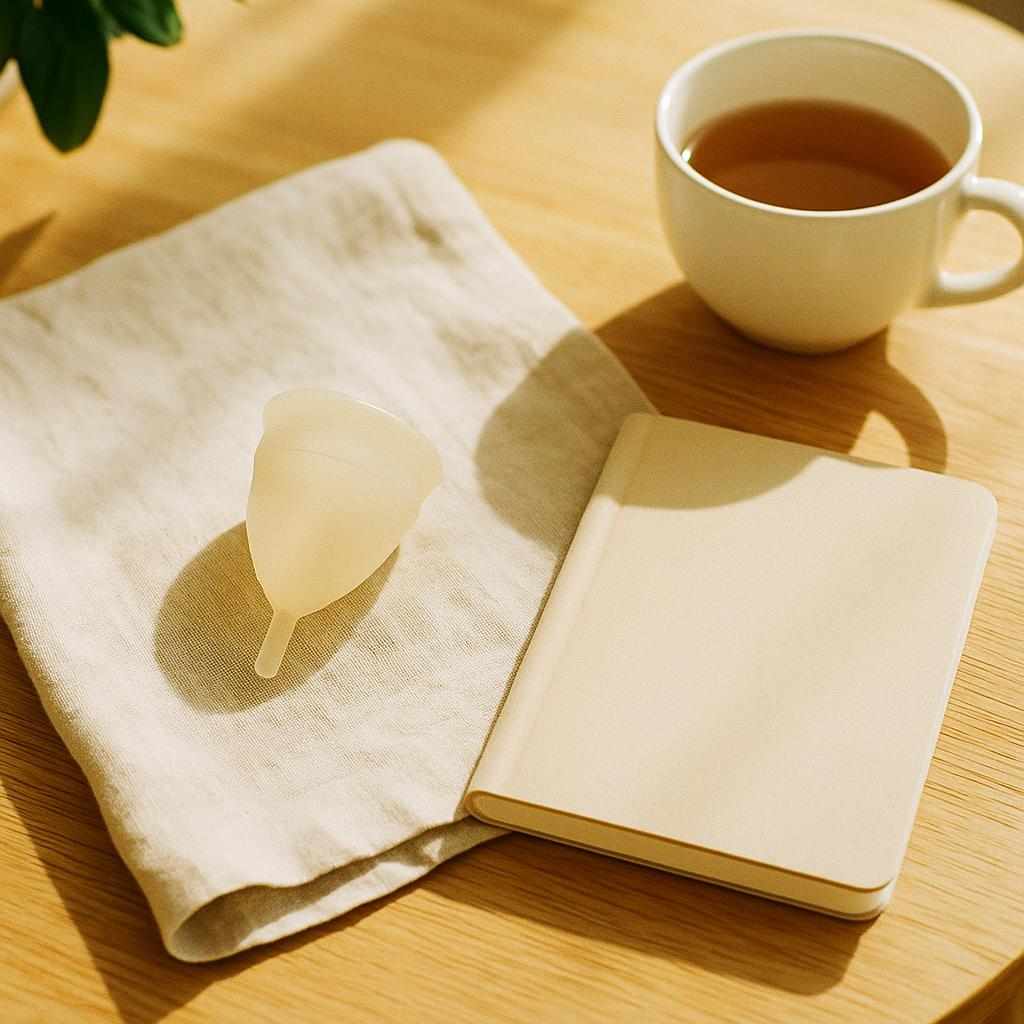
Have you ever felt the awkward silence when menstruation comes up in mixed company? Recent findings suggest a promising shift in boys' attitudes, opening the door to more open conversations.
Myth
Boys Will Always Find Menstruation Gross
For many women, the idea that boys find menstruation gross is a deeply ingrained belief. It's something we've heard since school days when giggles and whispers filled the classroom at the mere mention of periods. This perception often leads to silence and embarrassment, leaving women and girls to handle menstrual issues in isolation. But is this really the unchangeable truth?
The notion that boys are inherently disgusted by menstruation has been perpetuated by cultural stereotypes and lack of exposure to open discussions about the topic. Often, boys are conditioned to react with discomfort or humor when the subject arises, reinforcing the idea that menstruation is something to be hidden away. This mindset not only isolates girls but also deprives boys of the opportunity to understand a natural biological process that affects nearly half of the population.
Truth
Boys Are Becoming More Understanding
A recent assessment by Ujaas shows a positive change in boys' attitudes towards menstruation. Boys are beginning to see menstruation as a natural part of life, not something to be mocked or shamed. This shift is attributed to better education and open discussions in schools. By normalizing the conversation, boys are learning to empathize and support their female peers.
In many schools, comprehensive health education programs are being implemented that include information about menstruation for all students, regardless of gender. These programs aim to demystify the process and present it as a normal, healthy function of the female body. As boys receive accurate information and are encouraged to ask questions, they begin to appreciate the importance of menstrual health and the challenges that come with it.
The impact of this change is significant. It not only reduces stigma but also fosters a supportive environment where girls feel more comfortable discussing menstrual health openly. Boys who understand the realities of menstruation are more likely to offer support, whether it's carrying a spare pad for a friend or simply not making insensitive jokes. This creates a more inclusive and respectful community where everyone feels valued and understood.
Myth
Menstrual Education Is Only for Girls
There's a common misconception that menstrual education should be limited to girls. After all, they are the ones experiencing it, right? This belief has led to a lack of awareness among boys, perpetuating myths and misunderstandings. Excluding boys from these conversations creates a divide, leaving them uninformed and sometimes insensitive to the realities of menstruation.
This exclusion from education can lead to boys developing a skewed perception of menstruation, often viewing it as a mysterious or taboo subject. Without proper knowledge, boys might rely on stereotypes or misinformation, which can contribute to insensitive behavior and a lack of empathy. This not only affects their relationships with female peers but also limits their ability to become supportive partners in the future.
Truth
Inclusive Education Benefits Everyone
Education is key to changing perceptions. When boys are included in menstrual education, they gain a better understanding of what their female peers experience. Schools that have adopted inclusive education programs report more respectful interactions between boys and girls. Boys learn the facts about menstruation, debunking myths and fostering empathy.
Inclusive education programs often involve interactive sessions where students can learn about the menstrual cycle, its biological significance, and the common challenges faced by menstruating individuals. These programs encourage both boys and girls to ask questions and engage in discussions, breaking down barriers and fostering a sense of community.
This approach benefits everyone. Girls feel supported, and boys become allies, contributing to a more informed and compassionate society. By understanding menstruation, boys can become advocates for menstrual equity, supporting policies and practices that ensure access to menstrual products and facilities in schools and workplaces. This shared understanding helps create a culture of respect and support, where menstruation is seen as a normal part of life rather than a source of embarrassment or shame.
Myth
Menstruation Is a Private Matter
Many people believe menstruation should remain a private matter, discussed only among women. This belief stems from cultural norms that have long dictated silence around periods. Keeping menstruation private can lead to misinformation and shame, preventing women from seeking help or sharing their experiences with others who might offer support.
The idea of menstruation as a private issue often discourages open dialogue, leading to a lack of awareness and understanding. When menstruation is shrouded in secrecy, it becomes easier for myths and misconceptions to thrive, affecting how society views and treats menstruating individuals. This can result in women feeling isolated and unsupported, particularly in environments where discussing menstrual health is considered inappropriate.
Truth
Open Conversations Lead to Better Support
Encouraging open conversations about menstruation can transform how society views and handles menstrual health. The Ujaas findings highlight that when boys are part of these discussions, it breaks down barriers. Support from male friends and family members can make a world of difference. It validates women's experiences and encourages them to seek help and share their stories.
Open conversations help normalize menstruation, making it easier for women to discuss their needs and experiences without fear of judgment or ridicule. When boys and men understand the realities of menstruation, they are more likely to provide meaningful support, whether it's advocating for better menstrual health policies or simply being a listening ear for someone in need.
Here are a few points to consider for fostering open conversations:
Encourage inclusive education in schools and communities.
Share personal experiences to normalize the conversation.
Use platforms like ElaZap to track and discuss menstrual health openly.
By promoting open dialogue and inclusive education, we can create a society where menstruation is understood and respected, paving the way for better support and equality for all.
This article is for informational purposes only and does not constitute medical advice. ElaZap is a wellness tracking tool, not a medical device. Consult a qualified healthcare provider for personal health concerns.