
Simple Movements to Ease Endometriosis Flare-Ups
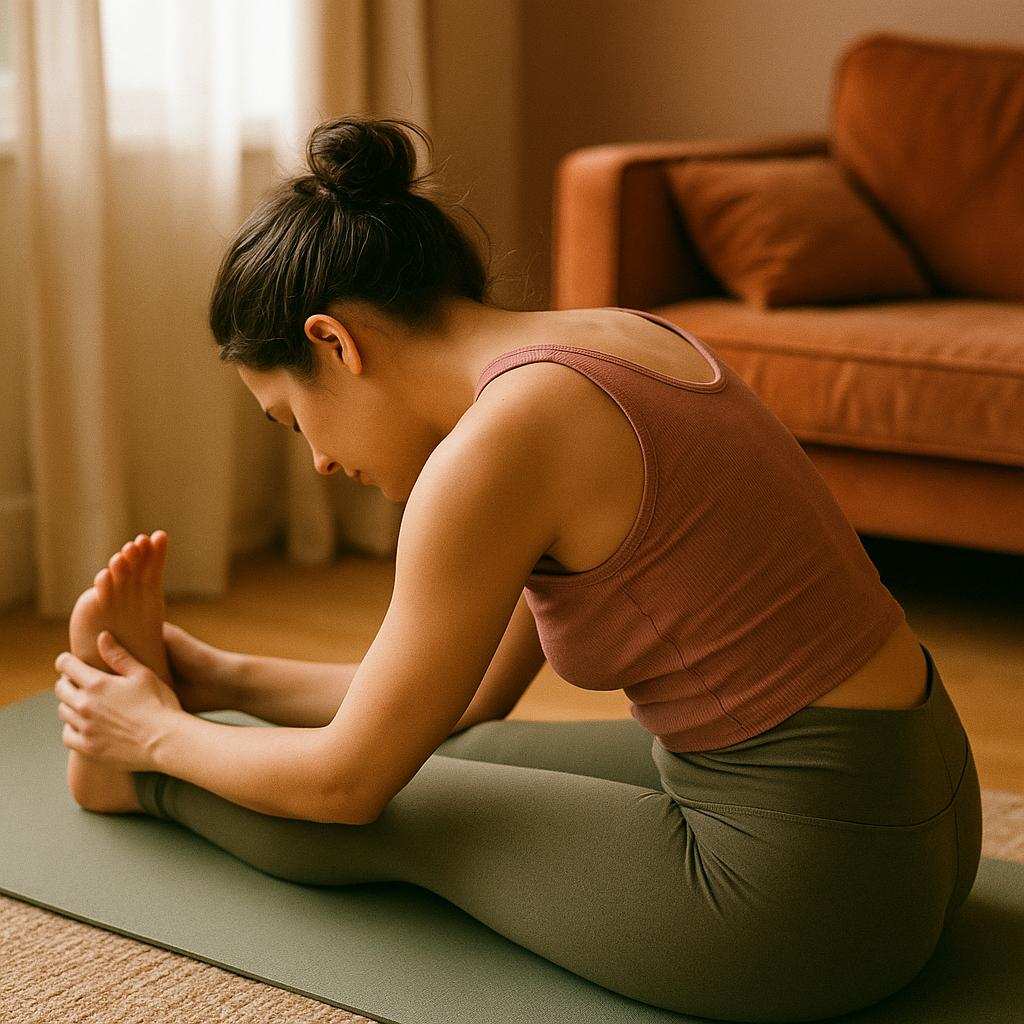
Endometriosis can feel like an unpredictable storm that arrives out of nowhere. One moment you're going about your day, and the next, you're overwhelmed by intense pelvic pain that demands your full attention. This condition occurs when tissue similar to the lining inside the uterus starts growing outside of it, leading to inflammation and discomfort. The pain can be sharp and debilitating, affecting not just your physical health but also your emotional well-being.
Understanding Endometriosis Flare-Ups
Gentle movement during a flare is not about pushing through pain — it is about giving tense pelvic and lower-back tissues a chance to soften, so everyday tasks feel a little more doable.
Managing an endometriosis flare-up involves more than just relying on medication. While painkillers and hormonal treatments can be part of the solution, incorporating movement into your routine can play a crucial role in alleviating pain. Movement becomes a valuable tool in your self-care toolkit, offering a way to gently manage symptoms and improve your quality of life.
Why Movement Matters
When you're in the throes of a flare-up, the idea of moving might seem counterintuitive. How can exercise possibly help when you're in pain? Yet, gentle exercises can be incredibly beneficial. They increase blood flow, which helps reduce inflammation, and release endorphins, your body's natural painkillers. According to the Mayo Clinic, regular physical activity is a proven method to help manage chronic pain conditions like endometriosis.
Think of movement as a gentle whisper to your body, coaxing it into a state of relaxation and calm. It doesn't have to be intense or lengthy. Even a few minutes of the right kind of movement can make a noticeable difference. The key is to listen to your body and choose movements that feel good, steering clear of anything that exacerbates your pain.
For instance, on a particularly tough day, you might find solace in a few gentle stretches or a slow, mindful walk. These activities can help you reconnect with your body in a positive way, fostering a sense of control and empowerment over your condition.
Gentle Stretches to Try
When you're experiencing a flare-up, introducing gentle stretches into your routine can be incredibly soothing. These stretches are designed to ease tension, improve flexibility, and provide relief from the discomfort associated with endometriosis.
Child's Pose: This comforting pose involves kneeling on the floor, sitting back on your heels, and stretching your arms forward. It opens up the hips and stretches the lower back, providing a gentle release.
Cat-Cow Stretch: On all fours, alternate between arching your back and rounding it. This movement helps increase flexibility in the spine and alleviates tension in the back and abdomen.
Supine Twist: Lie on your back, bend your knees, and gently let them fall to one side. This twist can help release tension in the lower back and hips, offering a soothing stretch.
Legs Up the Wall: Lie on your back with your legs resting up against a wall. This restorative pose helps improve circulation and can be incredibly calming.
Butterfly Stretch: Sit with the soles of your feet together and gently press your knees towards the ground. This stretch opens up the hips and can be very relaxing.
Incorporating Movement into Your Day
Finding time to move can be challenging, especially when you're in pain. However, small changes can make a significant difference. Consider setting aside a few minutes in the morning or evening for a quick stretch session. This can be a peaceful way to start or end your day, providing a moment of calm amidst the chaos.
You can also integrate movement into your daily activities in subtle ways. Stretch while watching your favorite TV show or take a short, leisurely walk during your lunch break. These small actions add up over time and can help manage pain more effectively.
Remember, it's about consistency, not perfection. Every bit of movement counts, and even on days when you feel less motivated, doing a little is better than doing nothing at all. Celebrate the small victories and acknowledge the effort you put into caring for yourself.
Listening to Your Body
Your body is your greatest ally, and it knows what it needs. Pay close attention to how different movements affect your pain levels. If something doesn't feel right, don't hesitate to stop and try something else. It's important to be gentle with yourself and honor your body's signals.
ElaZap can be a helpful companion in tracking how movement impacts your cycle and symptoms. By keeping a record of when flare-ups occur, you can plan your self-care routine more effectively, ensuring that you're better prepared to manage your symptoms.
It's crucial to be kind to yourself. Some days will be harder than others, and that's perfectly okay. The goal is to find what works for you and to stick with it, even when progress feels slow. Remember, you're doing the best you can, and that's something to be proud of.
When to Seek Help
While movement can be a powerful tool in managing endometriosis symptoms, it's not a cure-all. If your pain is severe or unmanageable, it's important to seek medical advice. The American College of Obstetricians and Gynecologists explains that endometriosis often requires a multifaceted treatment approach, which may include medication, surgery, and lifestyle changes.
Don't hesitate to reach out to a healthcare provider if you're struggling. They can offer guidance and support tailored to your needs, helping you navigate the complexities of your condition with expert advice.
Remember, you're not alone in this journey. Support is available, and finding the right combination of treatments can make a world of difference in your quality of life. Surround yourself with a community that understands and supports you, and don't be afraid to lean on them when you need it most.
This article is for informational purposes only and does not constitute medical advice. ElaZap is a wellness tracking tool, not a medical device. Consult a qualified healthcare provider for personal health concerns.