
Understanding Abnormal Uterine Bleeding During the COVID Pandemic
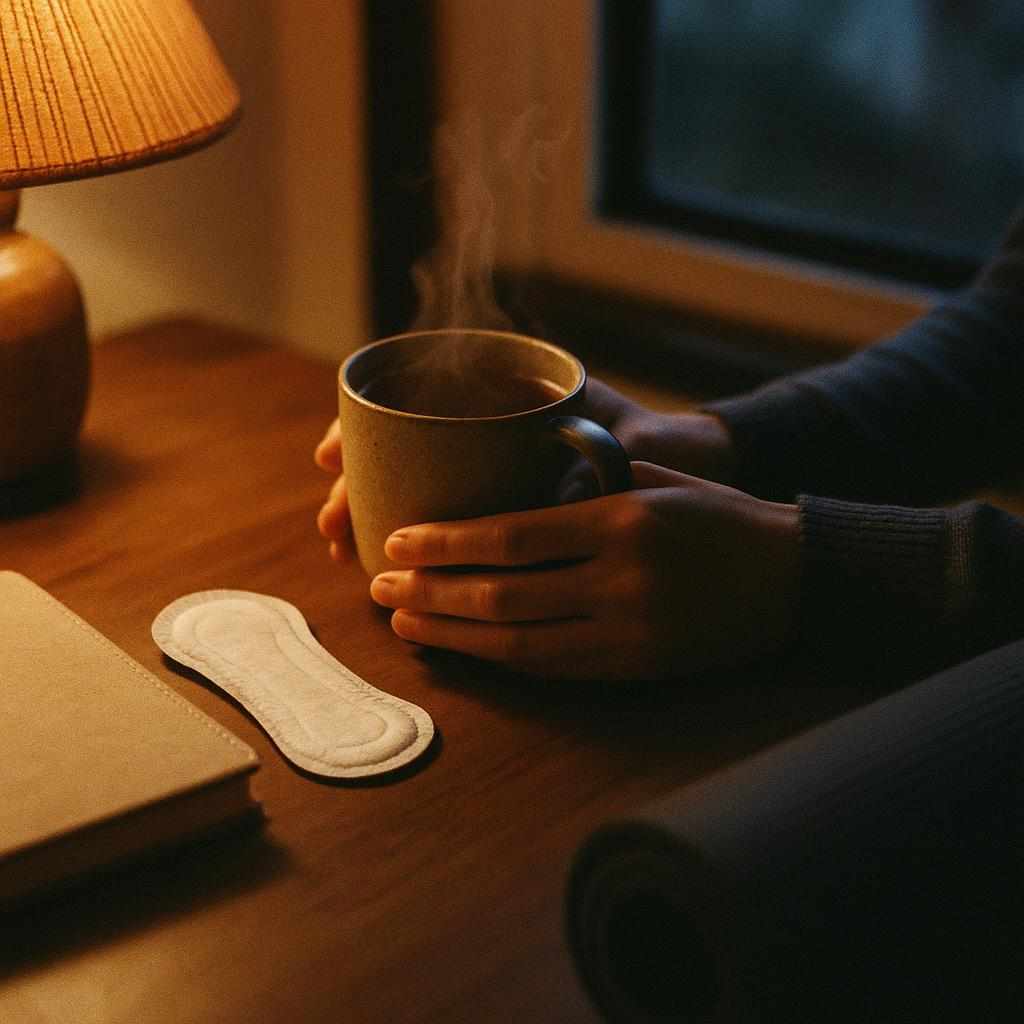
Have you noticed unexpected changes in your menstrual cycle during the pandemic? You're not alone. Recent reports highlight how COVID-19 has influenced women's health, including instances of abnormal uterine bleeding.
Morning: A New Day, A New Concern
As the sun peeks through your curtains, you find yourself reaching for your phone, a ritual that starts your day. The aroma of freshly brewed coffee fills the air, offering a sense of normalcy amidst the chaos of a world still grappling with a pandemic. But today, the news you scroll through is anything but routine. A headline about abnormal uterine bleeding during the COVID-19 pandemic catches your eye, and suddenly, the virus seems to have touched yet another part of life you thought was safe from its reach.
The pandemic has indeed been a global disruptor, but its impact on personal health, especially menstrual cycles, is a conversation gaining momentum. Many women have reported changes in their menstrual patterns, heavier periods, unexpected spotting, or even missed cycles. This isn't just anecdotal; it's a reflection of how deeply the pandemic has woven itself into the fabric of daily life.
Understanding why these changes occur can be as complex as the human body itself. Stress, a change in daily habits, and even the virus could be culprits. The Mayo Clinic emphasizes the role stress plays in hormonal imbalances, which can alter menstrual cycles. As you sip your coffee, you might find yourself pondering how much the pandemic has reshaped not only your social life but also your body's natural rhythms.
Midday: Navigating Health Information
As the clock strikes noon, you find a quiet moment to delve deeper into this newfound concern. Lunchtime becomes an opportunity to explore the wealth of information available at your fingertips. With your sandwich in one hand and your phone in the other, you begin to unravel the complexities of how stress and lifestyle changes are more interconnected than you might have realized.
The American College of Obstetricians and Gynecologists (ACOG) provides insights into how stress and lifestyle changes can disrupt the hypothalamic-pituitary-ovarian axis, the system that regulates your menstrual cycle. The pandemic has introduced unprecedented levels of stress, affecting both mental and physical health. Our bodies, finely tuned instruments, are sensitive to the environmental shifts that have become all too common in recent times.
Moreover, for some women who contracted COVID-19, menstrual changes were directly linked to the virus. While research is ongoing, staying informed and consulting healthcare providers if you notice significant changes is crucial. As you finish your meal, you make a mental note to discuss any concerns with your doctor during your next appointment, ensuring that your health remains a priority despite the chaos around you.
Evening: Reflecting and Planning
As the sun sets and the day winds down, you might find yourself in a reflective mood, pondering your own experiences over the past few years. Have you noticed any changes in your cycle? The evening often provides a quiet moment to assess how the information you've gathered aligns with your personal health journey.
Tracking your menstrual health can offer valuable insights into your overall well-being. Whether you're spotting patterns or identifying irregularities, maintaining a record is empowering. You can use apps like WhatsApp with Ela to track your cycle, making it easier to discuss with your healthcare provider. This simple act of logging your cycle can be empowering, offering a clearer picture of your health.
If you're experiencing abnormal bleeding, it might be time to reach out to a healthcare professional. They can help determine if it's a temporary change or something that needs further investigation. As you jot down your thoughts in a journal or app, you might feel a sense of relief knowing that you're taking proactive steps towards understanding your health, turning uncertainty into empowerment.
Night: Finding Calm Before Bed
As the day comes to a close, finding moments of calm becomes essential. The importance of stress management in regulating your cycle cannot be overstated. Establishing a relaxing evening routine can signal to your body that it's time to unwind. Whether it's a warm bath, a few gentle stretches, or a moment of mindfulness, these activities help prepare your mind and body for rest.
Incorporating practices such as yoga, meditation, or simply reading a book can significantly reduce stress levels. The Cleveland Clinic suggests that regular exercise and a balanced diet also support hormonal health. As you settle into bed, perhaps with a good book or some calming music, you're nurturing both your body and mind, setting the stage for a restful night's sleep.
Remember, taking care of your mental health is just as important as your physical health. Both are interconnected and crucial for maintaining a regular cycle. As you drift off to sleep, the day's worries begin to fade, replaced by a sense of peace knowing you've taken steps to manage your health. The night becomes a sanctuary, a time to recharge and prepare for whatever tomorrow may bring.
When Your Day Doesn't Go as Planned
Life's unpredictability is perhaps its only constant, especially when juggling work, kids, or shift schedules. If your day doesn't adhere to a set routine, there are still ways to manage your menstrual health. Flexibility is the key, and there are strategies you can employ to ensure your health remains a priority even on the busiest days.
Consider these flexible options to help manage your health amidst the chaos:
Set reminders to track your cycle, even on busy days.
Incorporate short stress-relief activities, like breathing exercises, throughout the day.
Prioritize sleep whenever possible to support overall health.
Use apps or digital tools to keep track of your health data.
Seek support from friends or family to manage stressors.
- Set reminders to track your cycle, even on busy days.
- Incorporate short stress-relief activities, like breathing exercises, throughout the day.
- Prioritize sleep whenever possible to support overall health.
- Use apps or digital tools to keep track of your health data.
- Seek support from friends or family to manage stressors.
This article is for informational purposes only and does not constitute medical advice. ElaZap is a wellness tracking tool, not a medical device. Consult a qualified healthcare provider for personal health concerns.