
Understanding Premature Ovarian Decline in Young Women
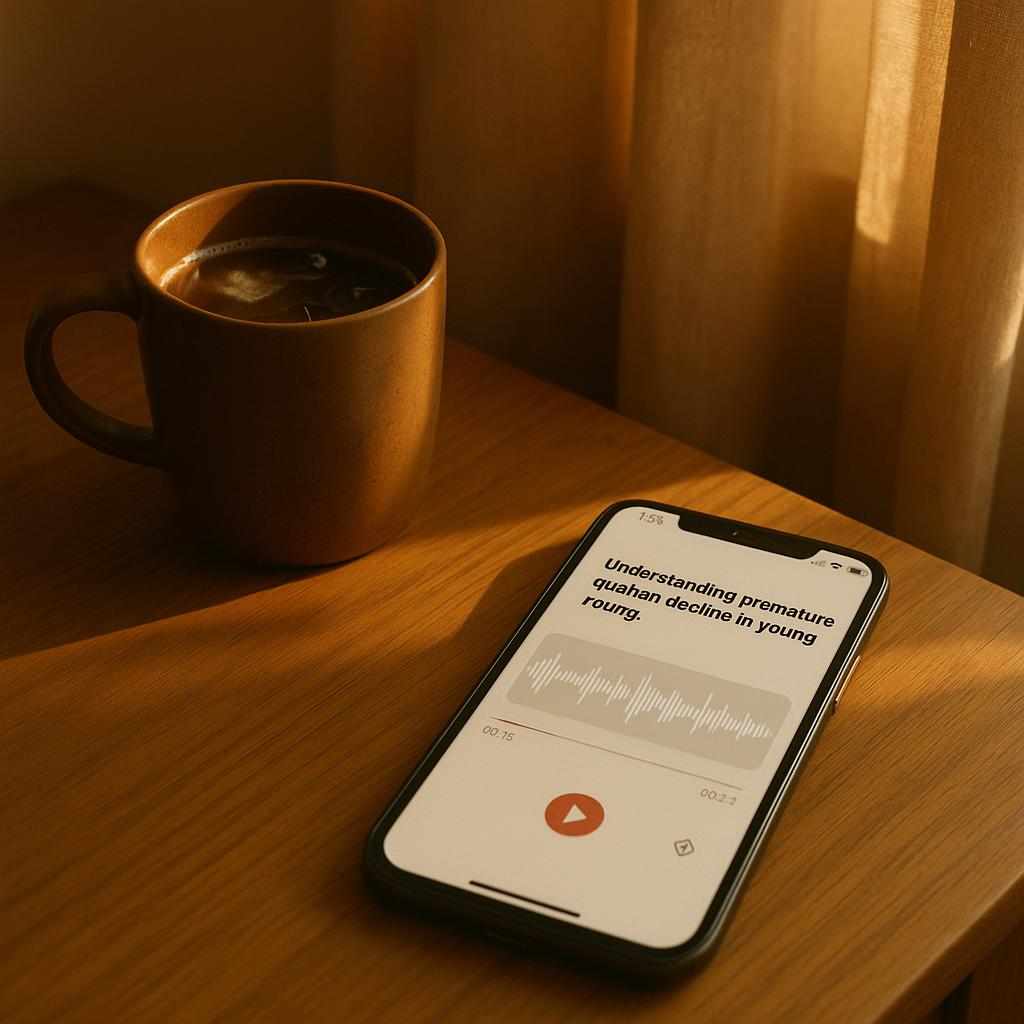
It's 3 AM and Amy is wide awake, staring at her computer screen. The glow from the monitor casts a soft light on her desk, highlighting the half-empty mug of cold coffee and a pile of neglected paperwork. Outside, the world is silent, but inside, her mind is buzzing with tasks. Amy works the night shift at a bustling hospital, a routine she’s adapted to over the past few months. She sleeps during the day, trying to catch up on rest while the sun streams through her blackout curtains. But something feels off.
Opening
Night Shift Realities
Lately, Amy has noticed changes in her menstrual cycle. Her periods are irregular, sometimes arriving early and sometimes not at all. She feels a strange disconnect with her body, and a recent article she read about young women facing premature ovarian decline due to night shifts has her worried. The idea that her work schedule could be affecting her health is unsettling, and she can't shake the feeling that she needs to understand more about what’s happening to her.
The quiet hours of the night, once a time of focus and productivity, are now filled with a nagging concern. Amy finds herself scrolling through online forums, seeking stories from other women who might be experiencing the same issues. Her cold coffee is forgotten as she clicks through articles and studies, trying to piece together a puzzle that feels both personal and urgent.
What Is Happening?
Premature ovarian decline refers to a condition where the ovaries begin to age faster than expected, leading to a decrease in fertility and changes in menstrual cycles. The VnExpress International recently highlighted concerns about young women working night shifts facing this issue. The disruption of natural circadian rhythms, which regulate the body's internal clock, can affect hormonal balance. According to the Mayo Clinic, irregular sleep patterns can lead to hormonal imbalances, impacting ovarian function.
When the body’s natural sleep-wake cycle is disrupted, it can lead to stress and hormonal changes that affect ovulation and menstrual regularity. Melatonin, a hormone produced during sleep, plays a role in protecting ovarian function. Lack of proper sleep can decrease melatonin levels, potentially accelerating ovarian decline.
The body relies heavily on a consistent rhythm to function optimally. This rhythm, known as the circadian rhythm, influences nearly every biological process. When disrupted, it doesn't just affect sleep but can also lead to a cascade of hormonal shifts. For women, these shifts can manifest in unpredictable ovulation patterns, making it difficult to track cycles accurately. The impact is not just physical but emotional, as irregular cycles can bring about anxiety and stress, compounding the issue further.
Why It Matters for Cycle Tracking
For women tracking their cycles, understanding these changes is crucial. Cycle tracking isn't just about knowing when your period will start; it's about recognizing patterns and shifts in your body’s rhythm. If you're noticing irregularities, it might be linked to lifestyle factors like work schedules.
ElaZap can be a helpful companion in identifying these patterns. By tracking your cycle on WhatsApp with Ela, you can gather data that may reveal connections between your sleep habits and menstrual changes. This information can be valuable when discussing your health with a healthcare provider.
Tracking your cycle allows you to become more attuned to your body's natural signals. It can help identify not just when irregularities occur, but also potential triggers. For example, you might notice that your cycles are more erratic during particularly stressful weeks or when your sleep is most disrupted. This knowledge empowers you to make informed decisions about your health and lifestyle. By understanding the connection between your work schedule and your menstrual health, you can take proactive steps to mitigate negative effects.
What to Try
Creating a conducive sleep environment is crucial. This might mean investing in high-quality blackout curtains or a white noise machine to ensure your sleep is as restful as possible. Additionally, maintaining a consistent sleep schedule, even on days off, helps reinforce your body’s natural rhythms.
Incorporating stress-reducing activities like yoga or meditation can also be beneficial. These practices not only help manage stress but also promote hormonal balance. Staying hydrated and eating a diet rich in antioxidants can further support your body’s health. If concerns persist, consulting a healthcare provider can provide personalized guidance and potential treatment options. They may recommend supplements or lifestyle modifications tailored to your specific needs.
- Prioritize sleep by creating a restful environment with blackout curtains and white noise.
- Maintain a consistent sleep schedule as much as possible, even on days off.
- Incorporate relaxation techniques like yoga or meditation to reduce stress.
- Stay hydrated and nourish your body with balanced meals rich in antioxidants.
- Consider speaking with a healthcare provider about your concerns and potential supplements.
- Explore alternative work schedules or roles that might offer a more regular routine.
A New Observation
As you track your cycle, pay attention to any patterns that emerge. Are there specific times when irregularities occur? Does adjusting your sleep schedule make a difference? Observing these details can provide insights into how your lifestyle impacts your health. Keep an open mind and remember that understanding your body is a journey, not a destination.
Consider keeping a journal alongside your cycle tracker. Note any lifestyle changes, shifts in your work schedule, or stress levels. Over time, this can become a valuable tool in identifying patterns and making informed decisions about your health. Remember, small adjustments can lead to significant changes, and being proactive about your health is a powerful step forward.
This article is for informational purposes only and does not constitute medical advice. ElaZap is a wellness tracking tool, not a medical device. Consult a qualified healthcare provider for personal health concerns.